
Pushing the limits of the fly-ride adventure in East Africa
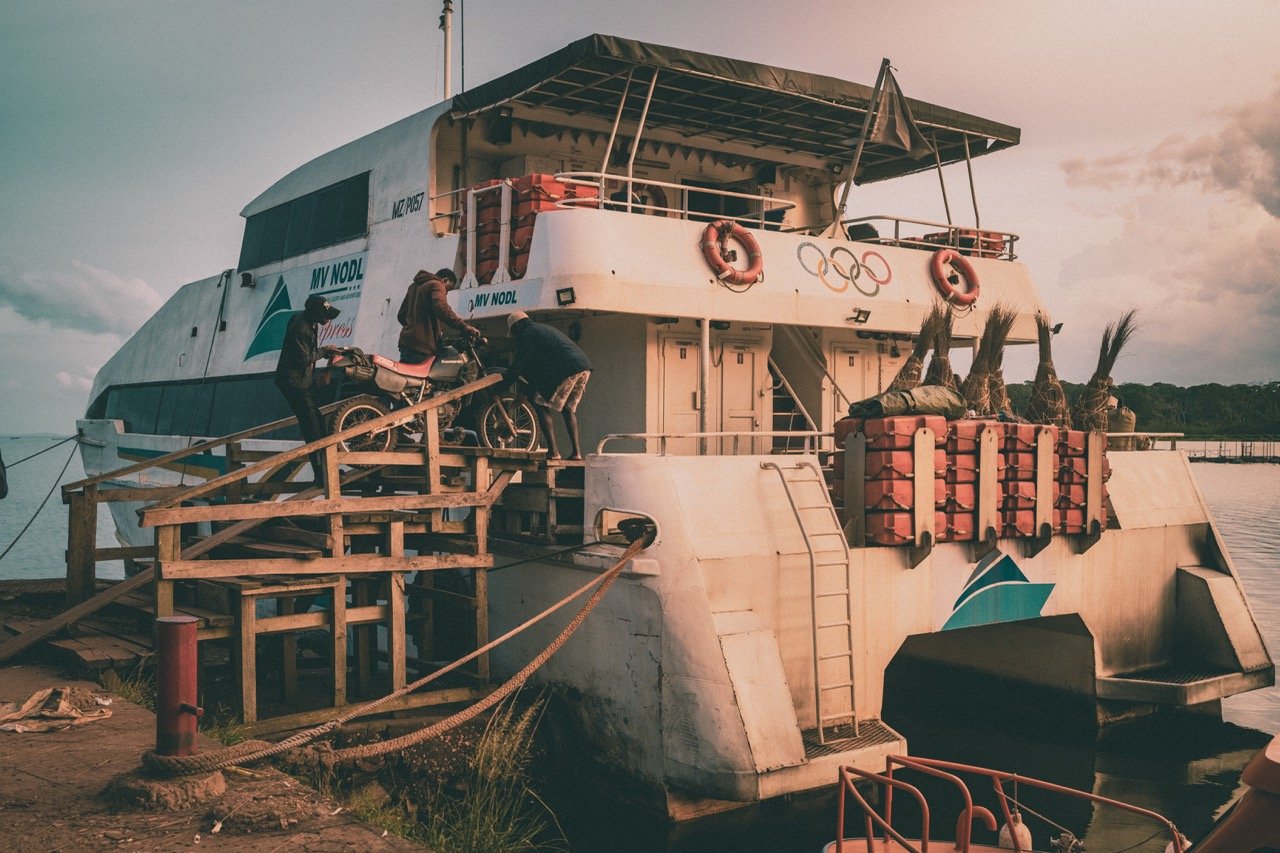
‘Life is short. You never know how much time you have left, so explore more.’ That is the mantra of Andrius Česnauskas. The 42-year-old Lithuanian completed his first real adventure motorcycle trip in 2017 and has barely stopped since.
‘I’ve ridden in most European countries, and further afield in Iceland, the Faroe Islands, Algeria, Tunisia, Morocco, Cambodia, Thailand, Pakistan, and,’ he pauses, ‘Uganda.’
That’s when our ears pricked up. We saw photos of Andrius, and three of his mates, riding shonky rental bikes in the equatorial East African country and had to find out more.
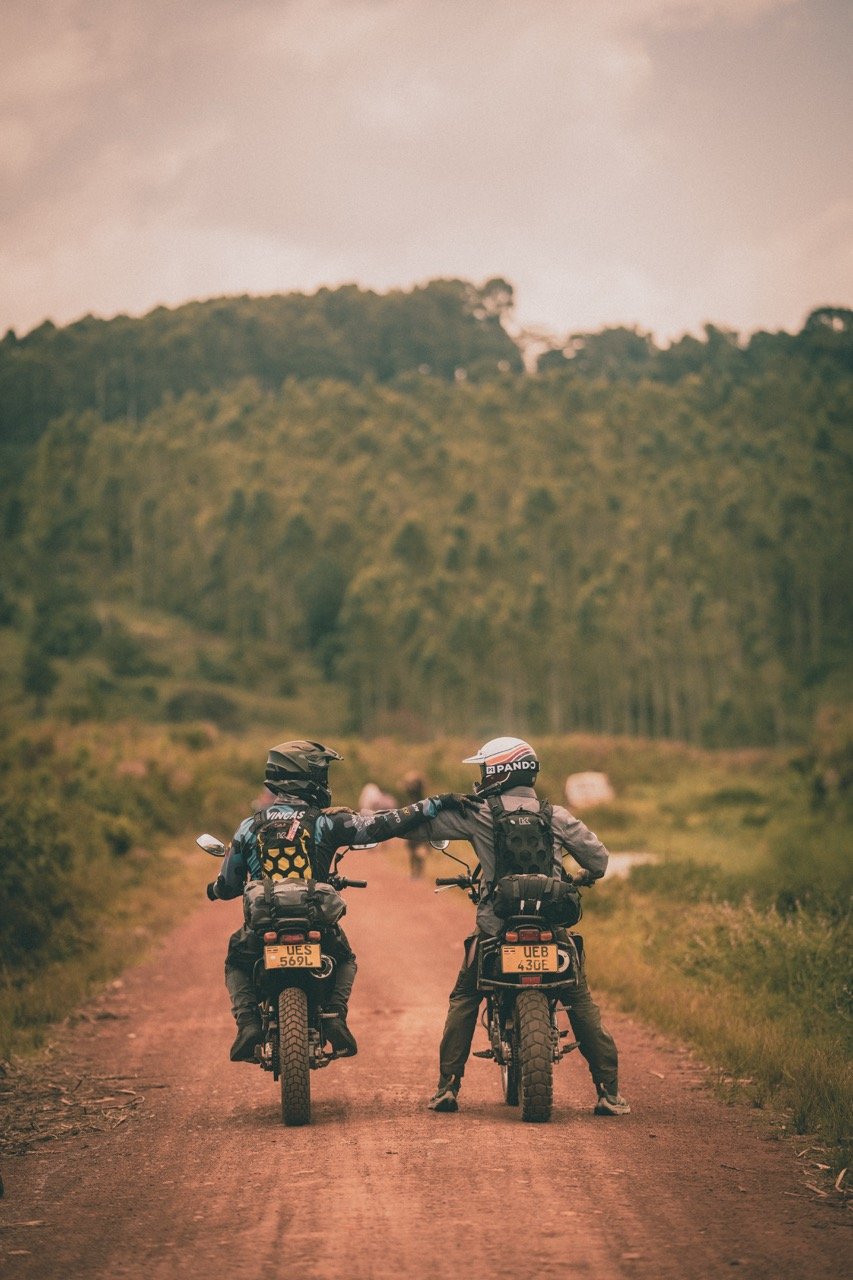
‘I wanted to see real Africa, not the polished, tourist version. As a coffee lover, Ethiopia was my first idea: diverse landscapes, deep culture, and legendary coffee, but once I started researching I realised there were virtually no motorcycle rental options. Then I began looking for another country that was still raw, not overrun by tourism, but where renting motorcycles was at least possible. That’s how Uganda appeared on the map.’
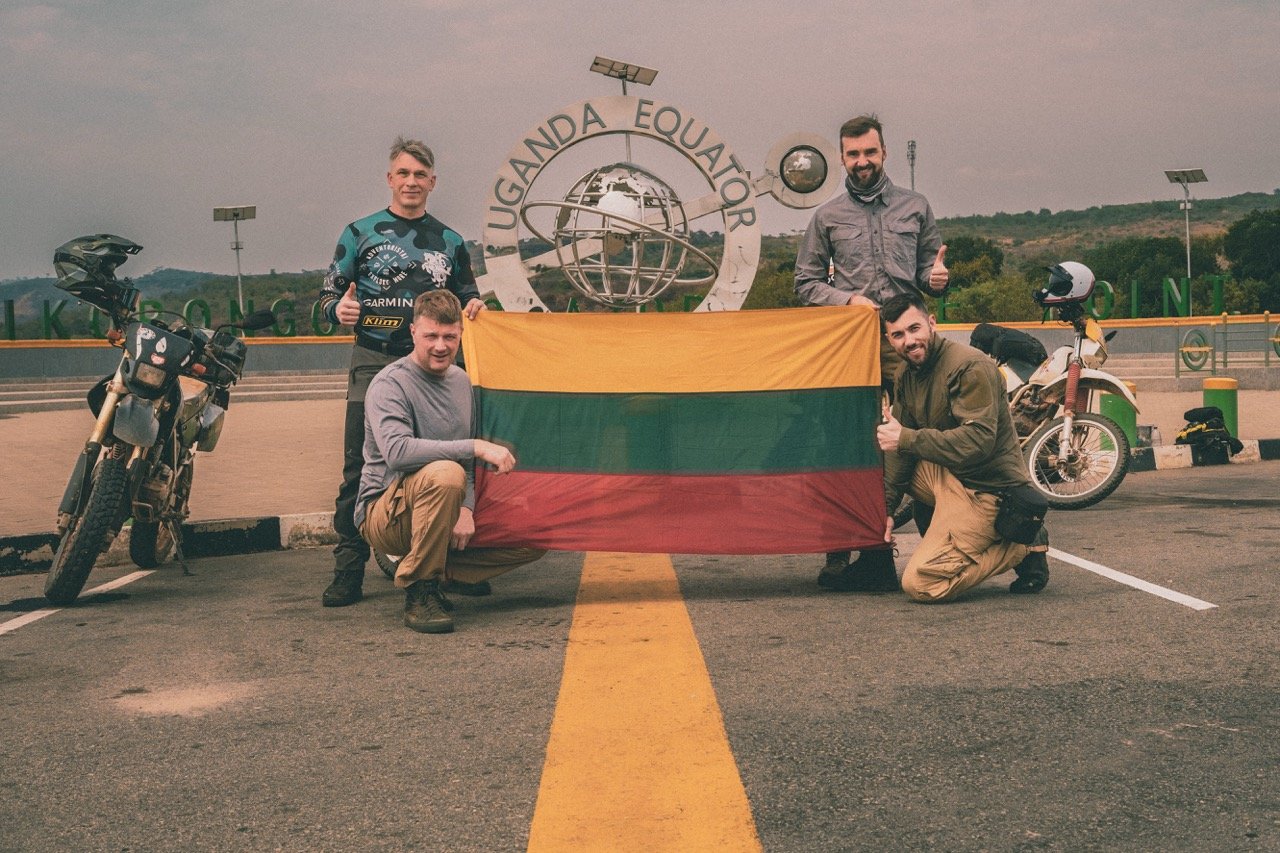
Andrius travelled with three friends: Airius, Aleksandras, and Vincas. ‘We are close friends, the kind you’d go to war with. We’ve already shared difficult trips in Pakistan, Algeria, and Iceland. Experience helps, but more importantly, we trust each other.’
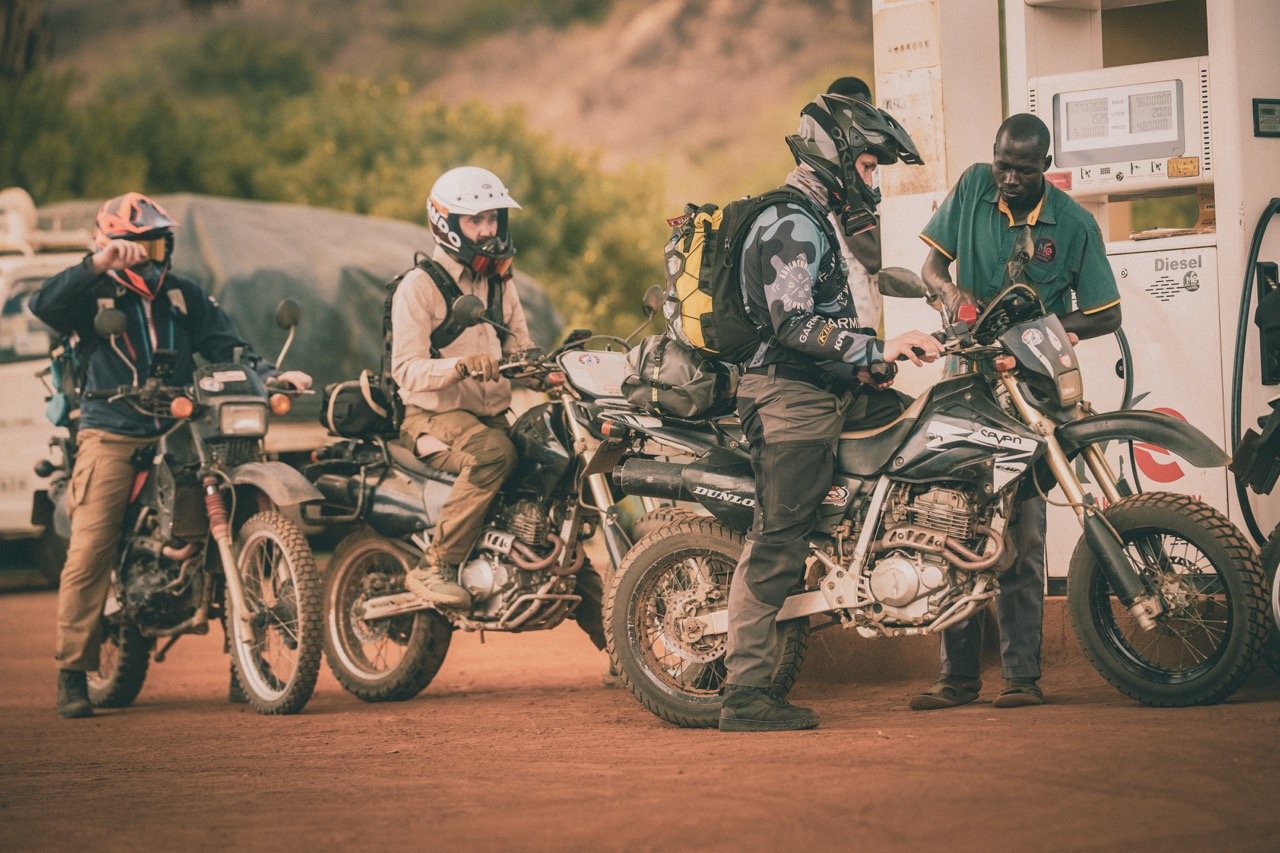
Finding motorcycles to rent was possible, that was true, but far from easy. ‘I randomly found a reference in a travel forum about motorcycles for rent in Rwanda. That eventually led me to a contact in Uganda. Without that accidental discovery, the trip probably wouldn’t have happened.’
The Lithuanian crew found motorcycles they could use, but they were, unsurprisingly, not the kind of rental bikes the well-established tour companies offer.
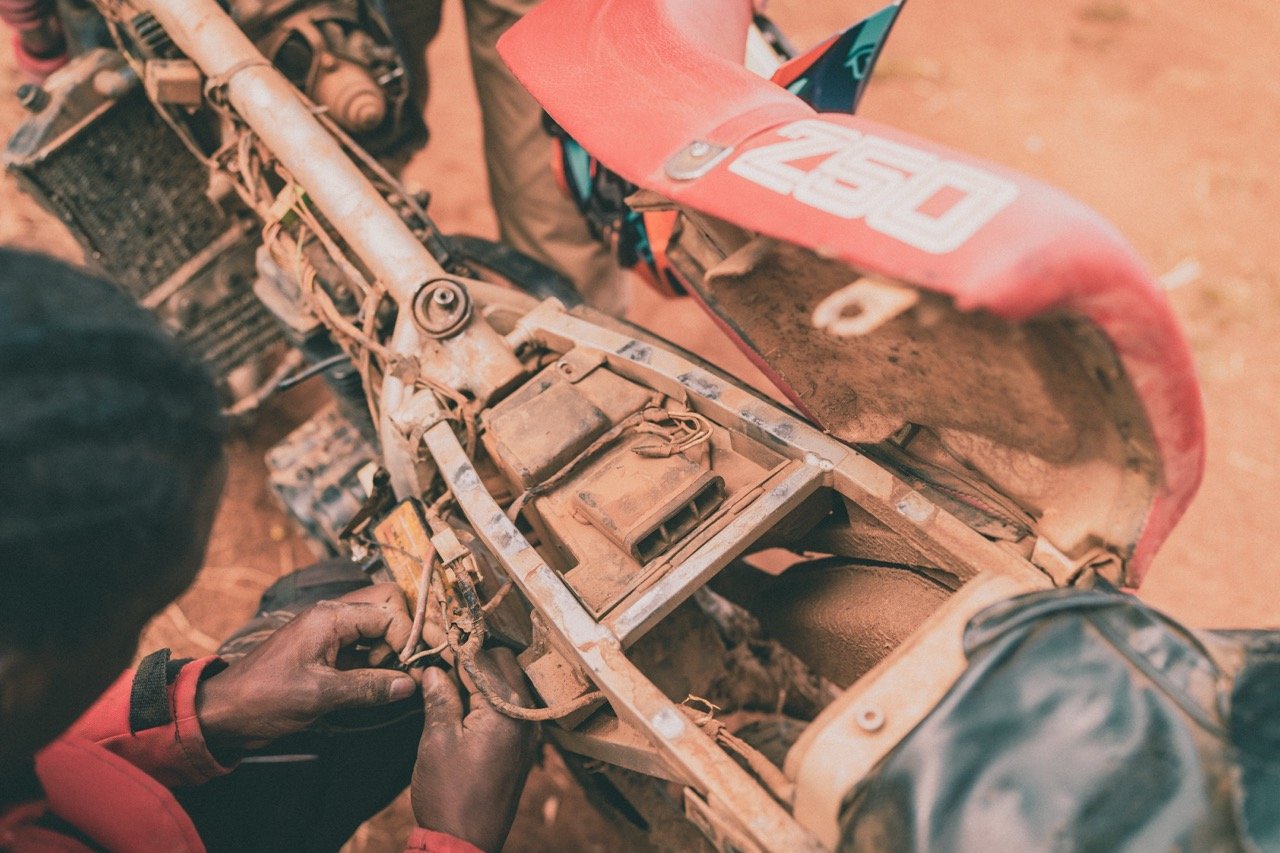
‘They were very old and mechanically tired,’ Andrius explains. They managed to scrape up a pair of Honda CRF250s, a Kawasaki 250, and a Suzuki DR-Z 250. ‘Because we needed four motorcycles, having the rental company’s mechanic travel with us was mandatory. At first, we tried to refuse. We told them we had enough experience to handle repairs ourselves, but by the end of day one we were already glad he was there.
‘Mechanical issues followed us daily, often several times a day. My bike wouldn’t start at the beginning. On day two a front brake caliper fell off another bike. Two starter motors failed. Two clutch cables snapped. My rear rack had to be welded twice. One bike constantly lost electrical power. We had no shortage of problems.’
Coping with those trials, plus several punctures (‘No rim tape and lots of loose spokes,’ says Andrius) and a crash or two, made the good times even better.
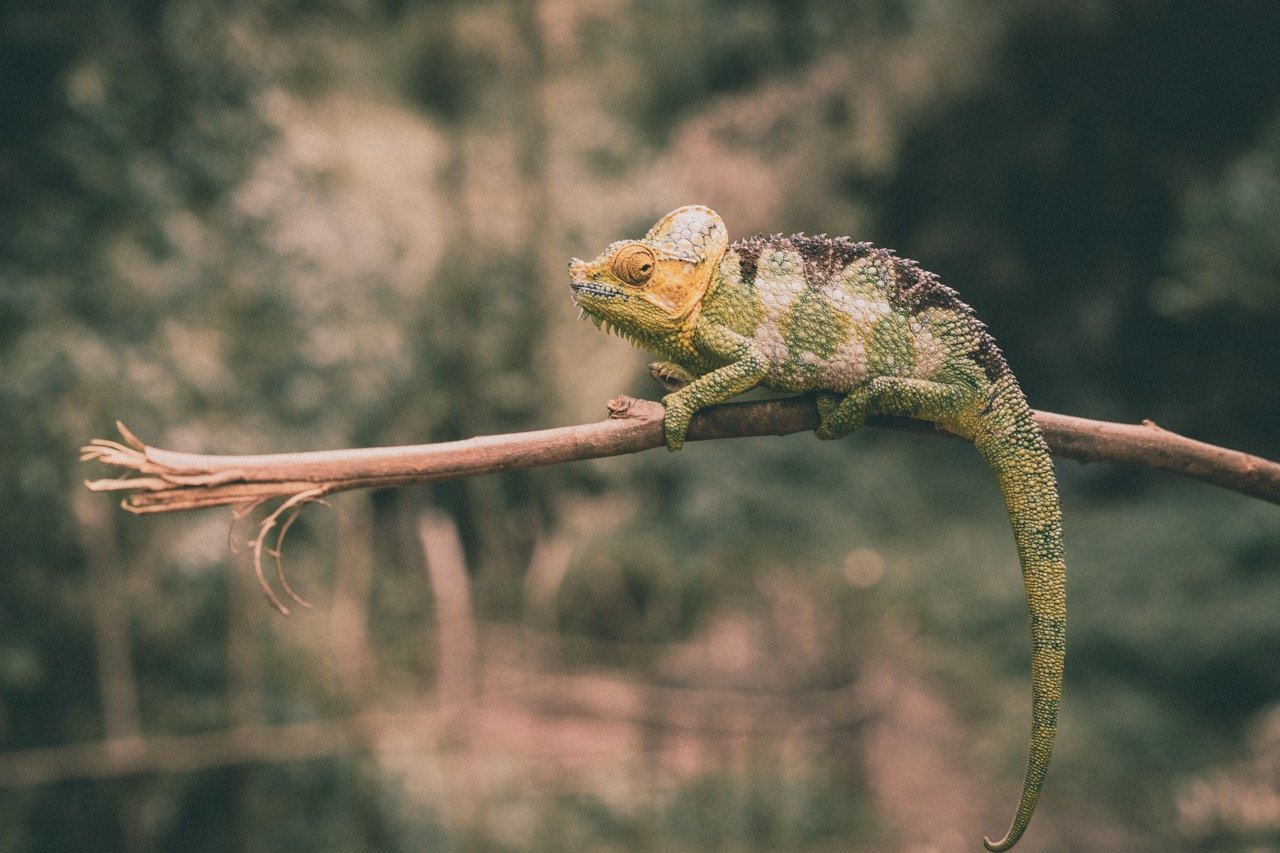
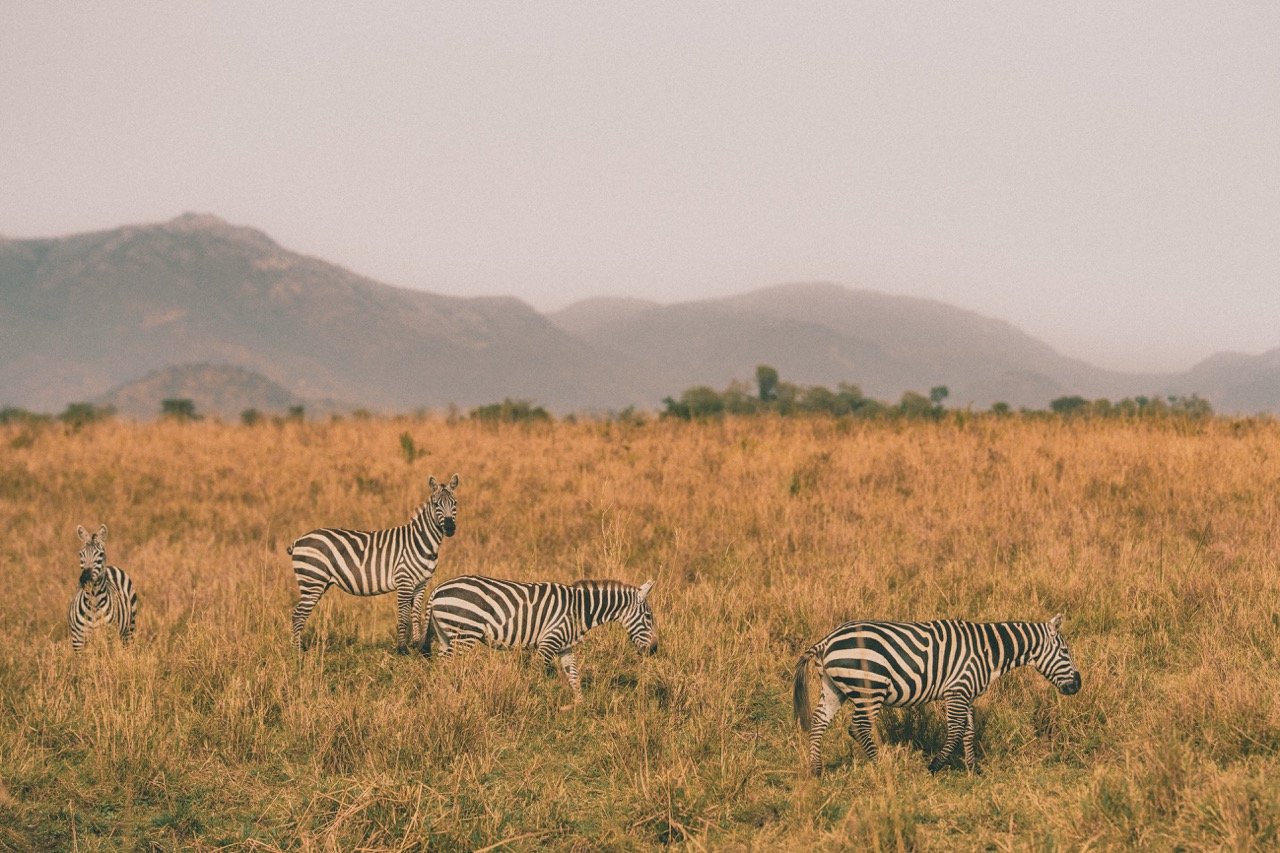
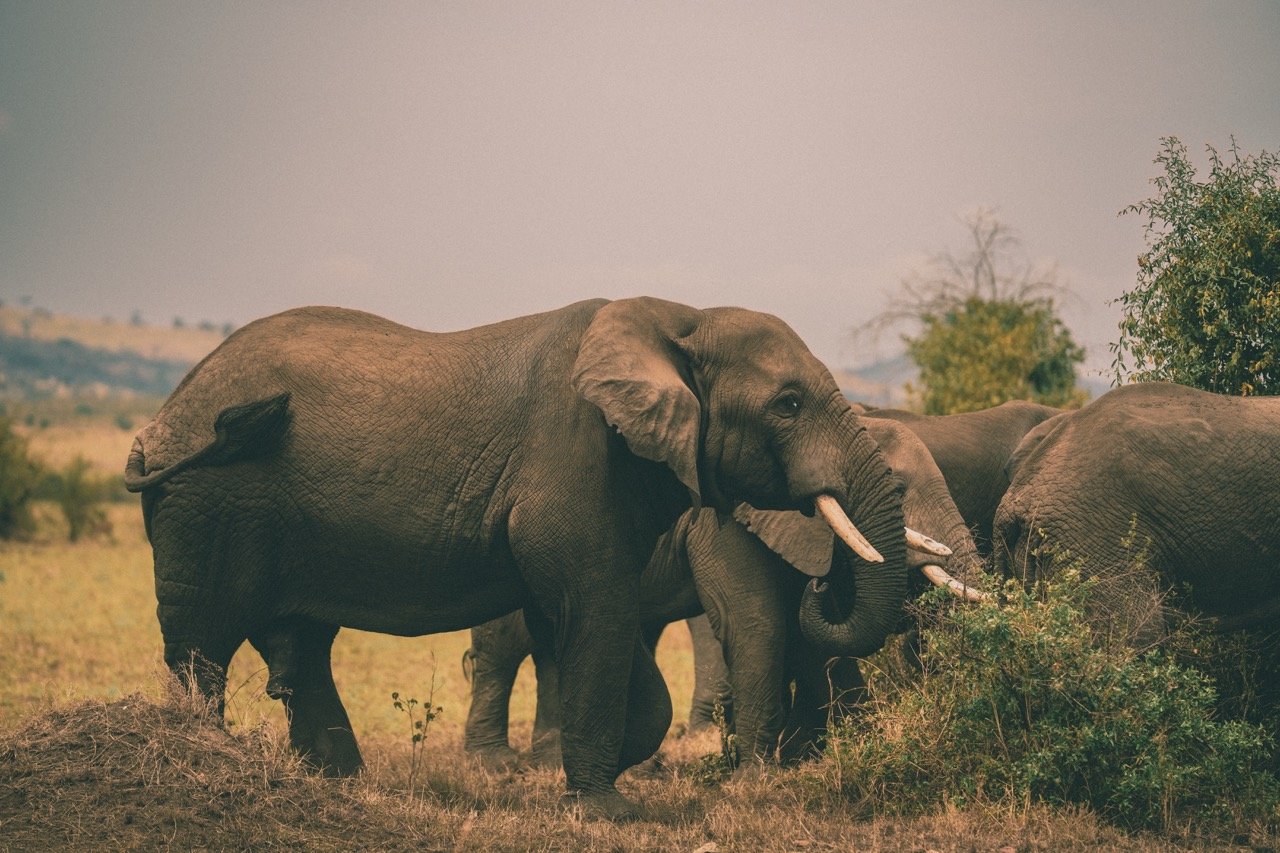
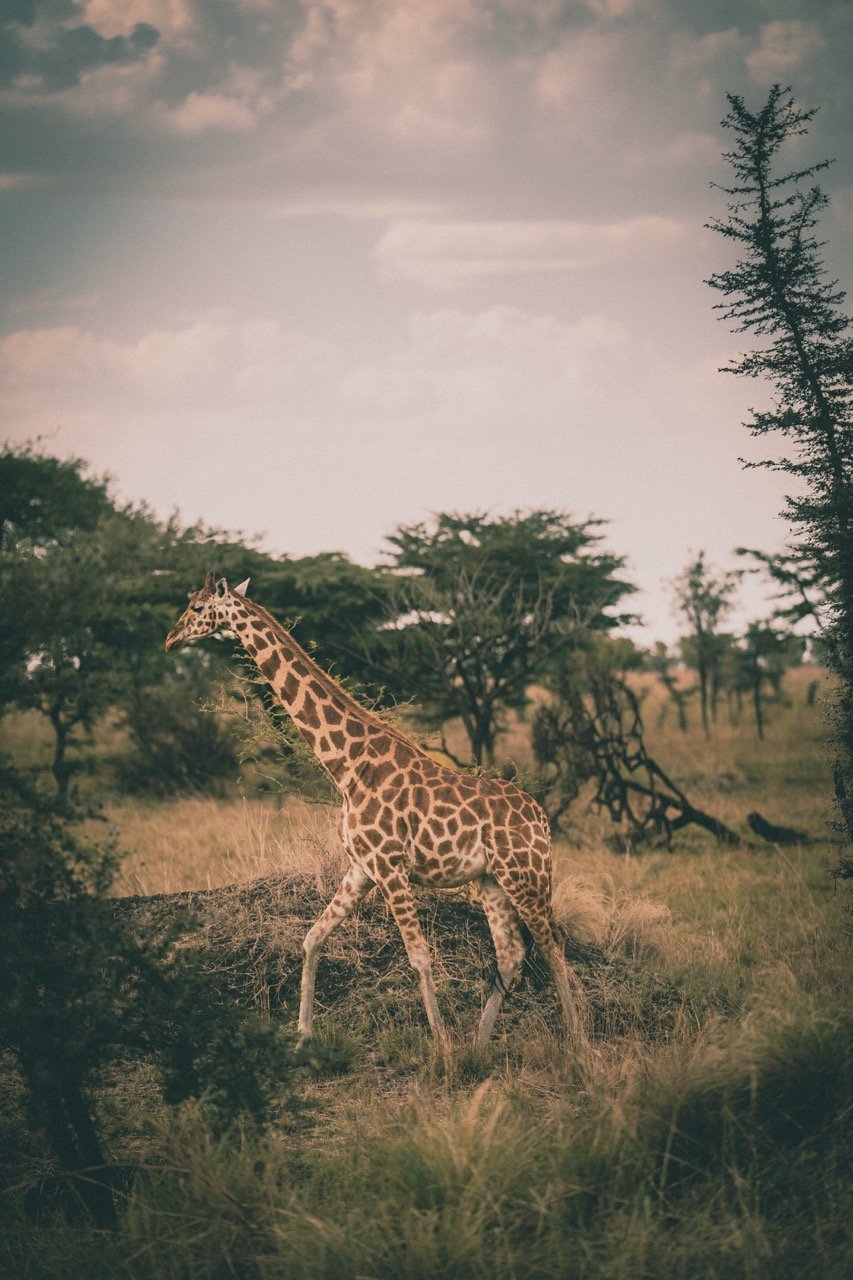
‘It’s a surreal feeling to ride a motorcycle and suddenly see wild giraffes, elephants, buffalo, zebras, and monkeys around you. Normally you experience that inside a closed safari vehicle. Here, we were part of the environment. Some national parks didn’t allow us in with motorcycles because of lions. That rule made sense.’
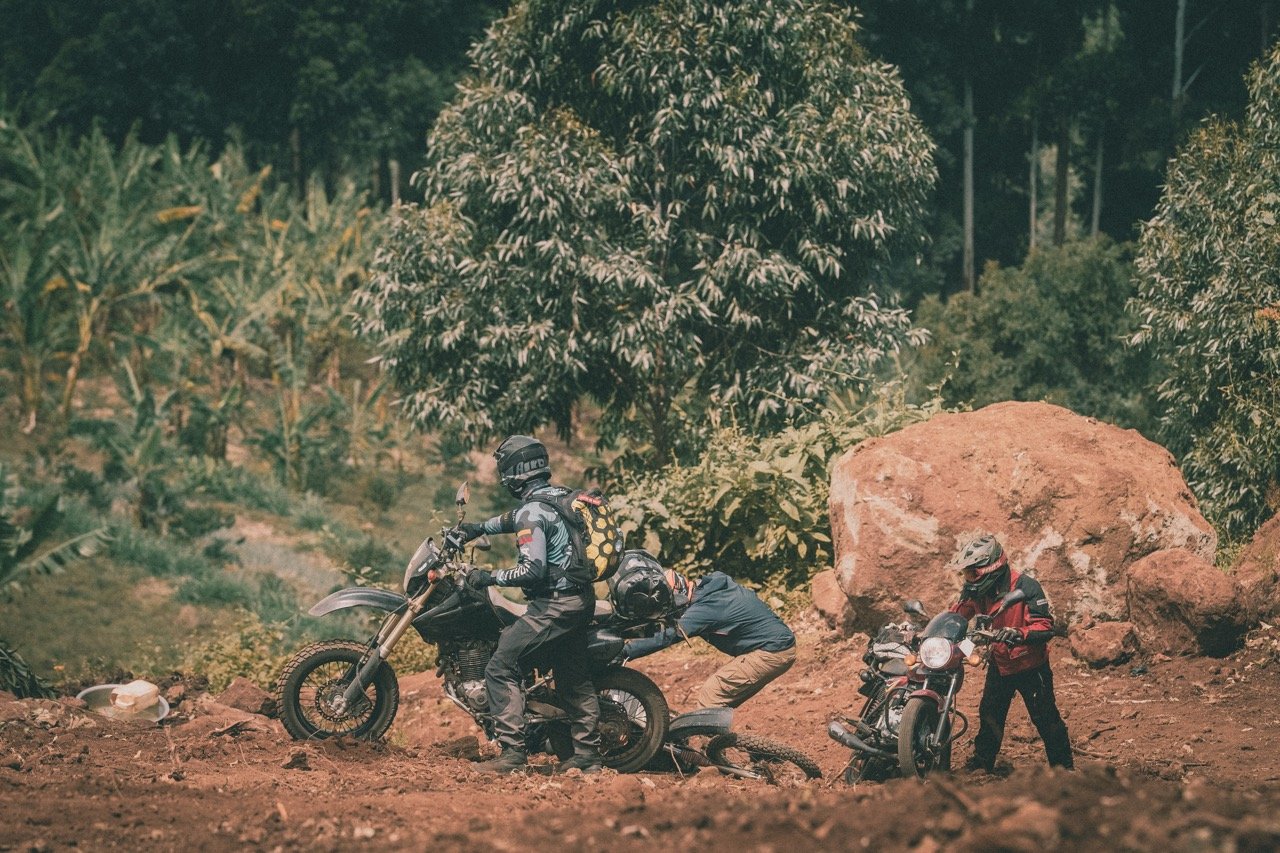
The goal was to ride the majority of Uganda, but the condition of the bikes, and being only 250cc made it impractical. The suspension wasn’t good enough to maintain a good speed while off-road, and the worn-out engines were lacking power when the roads were smoother.
‘The trip lasted 12 days. We covered about 2000km (1240 miles), with roughly 800km (500 miles) of gravel and off-road. The route looped around most of Uganda’s perimeter. We started and finished in Kampala, the capital.’
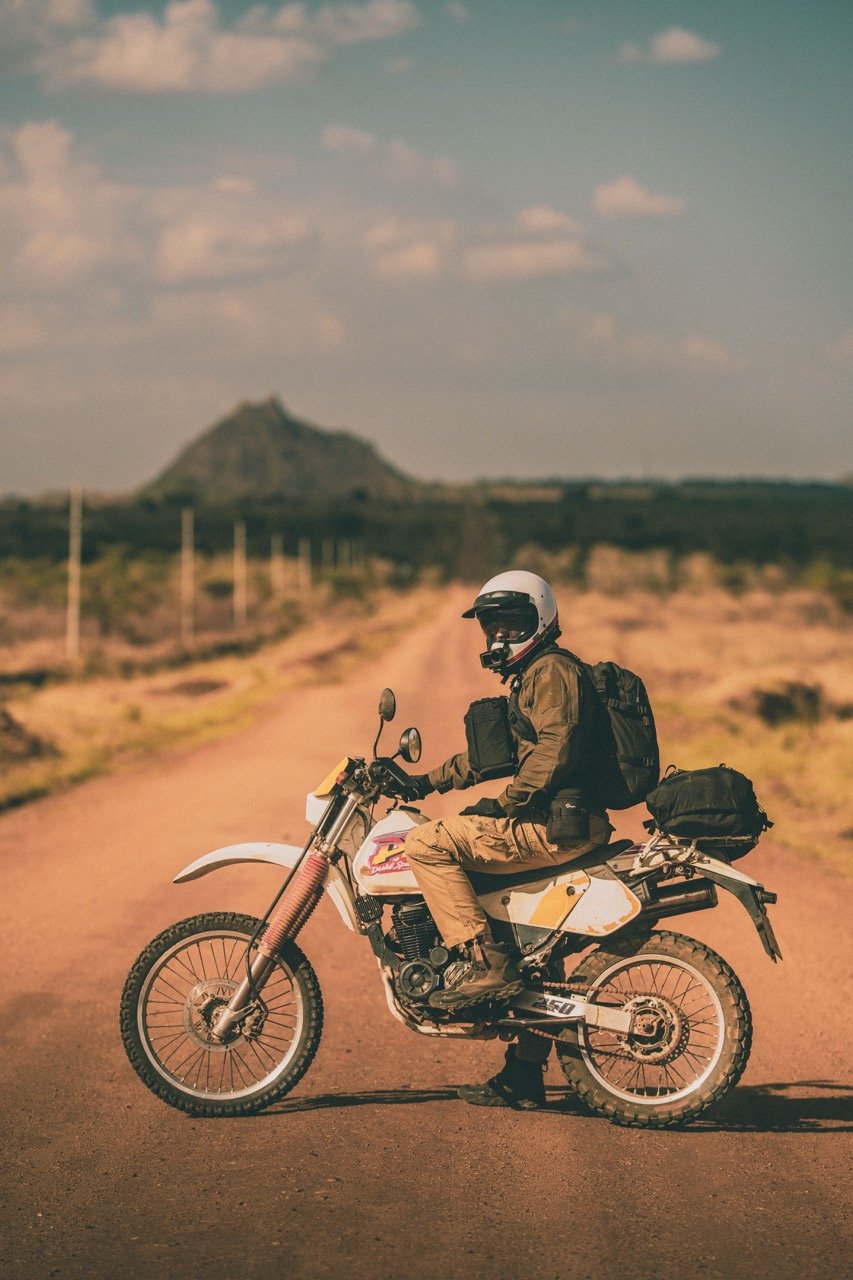
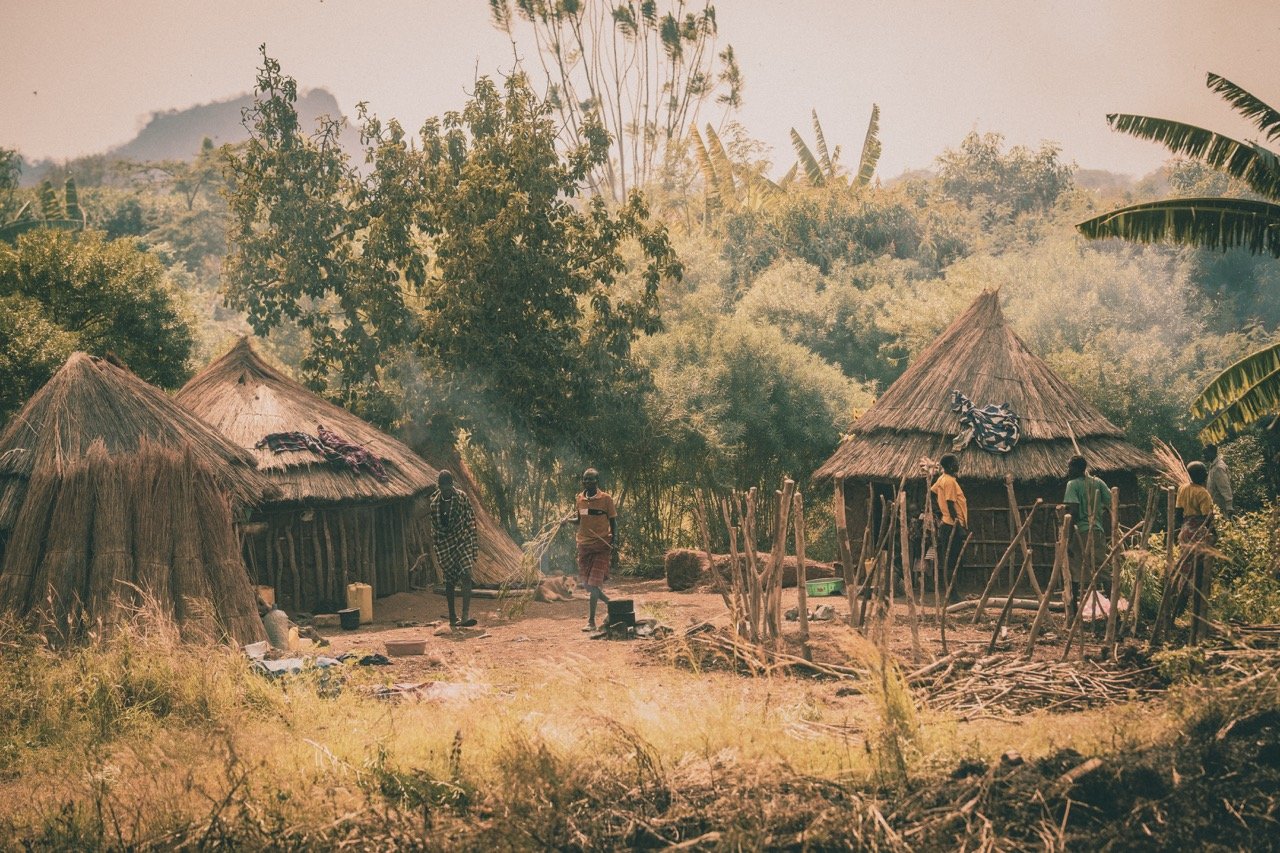
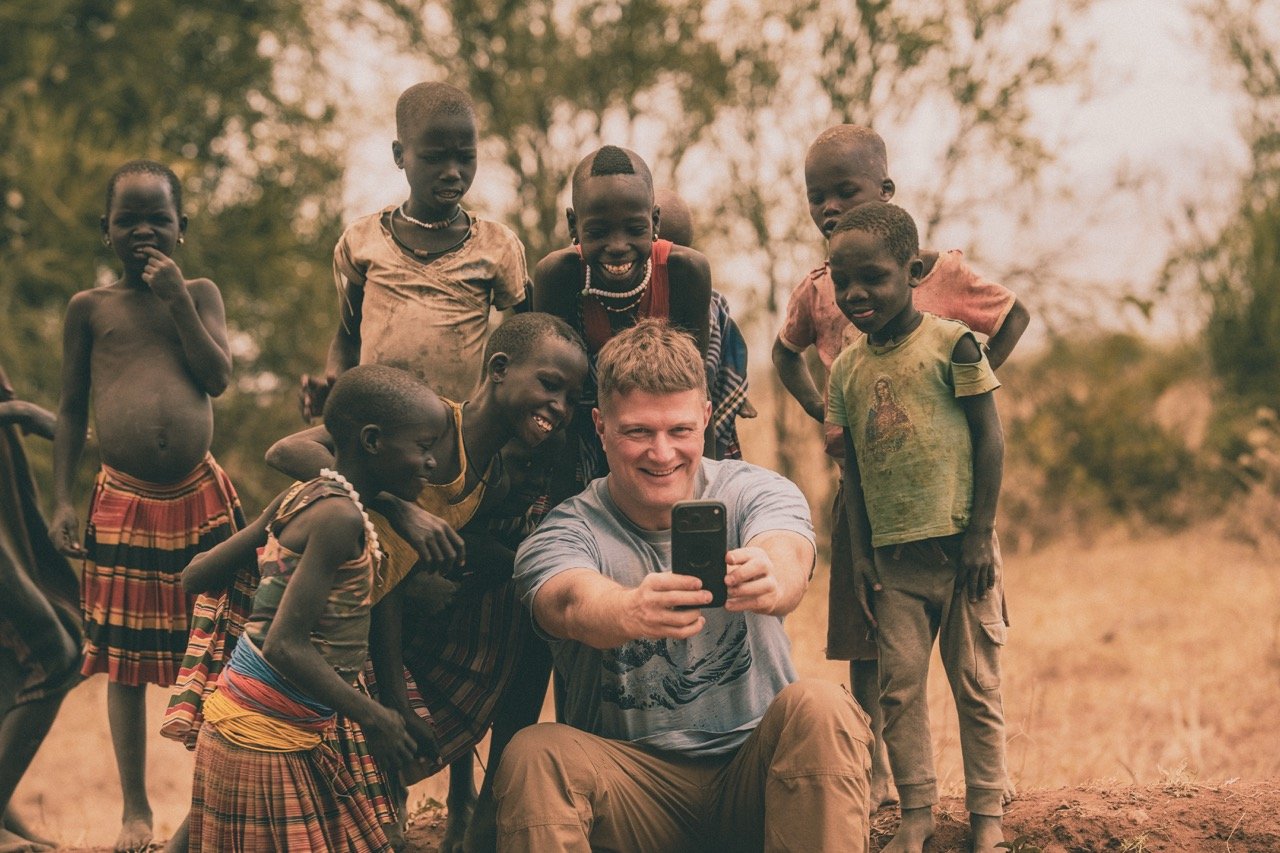
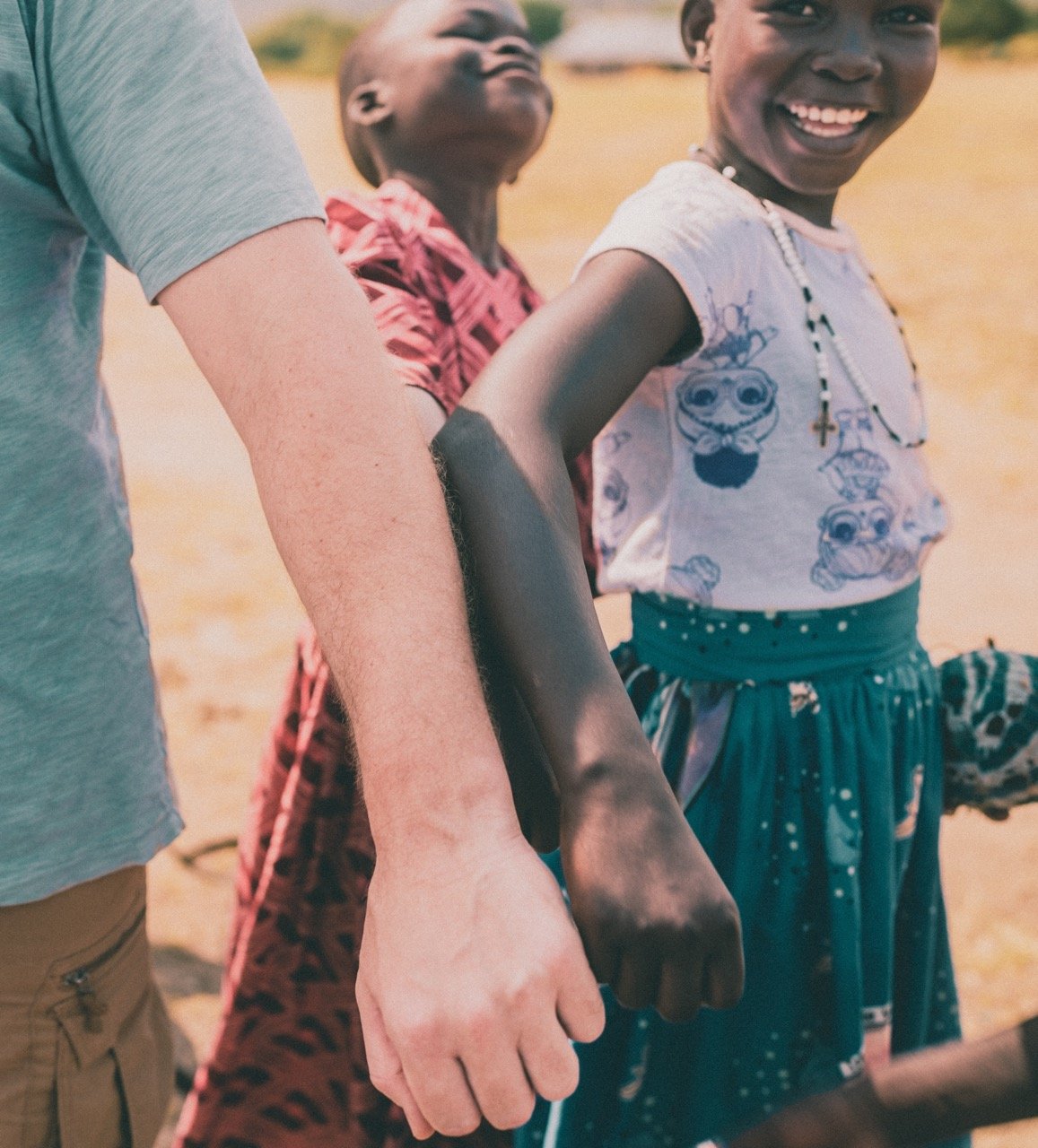
The group travelled to very remote areas of the country. ‘The biggest impression was the poverty in northern Uganda. Even our local mechanic wondered how people survive there,’ says Andrius, ‘For Europeans, the contrast is hard to process. People were friendly and curious, especially children. Every time we stopped crowds appeared from nowhere. They asked for money, food, or Coca-Cola. Interestingly, even in the most remote villages you can buy Coca-Cola. It explains why it’s probably the most recognised brand in the world.’
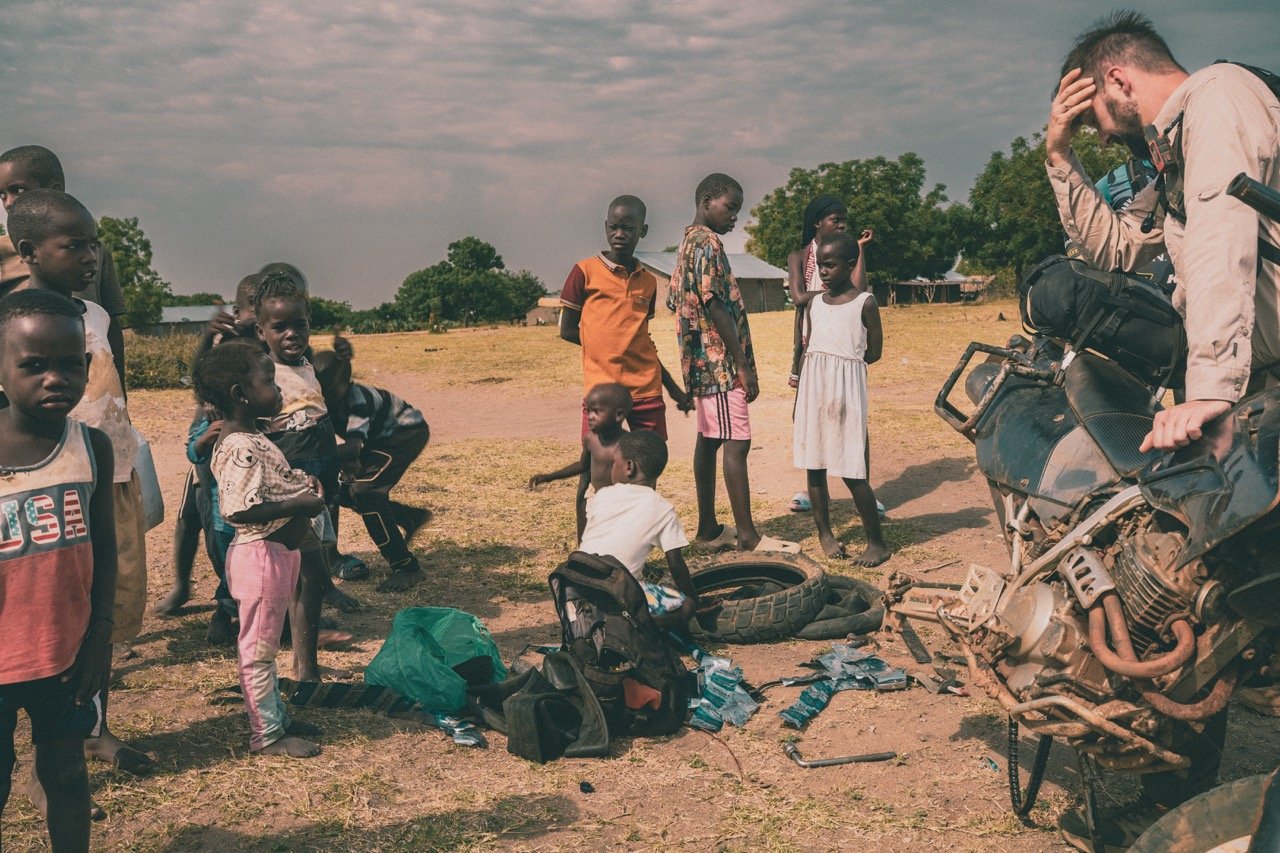
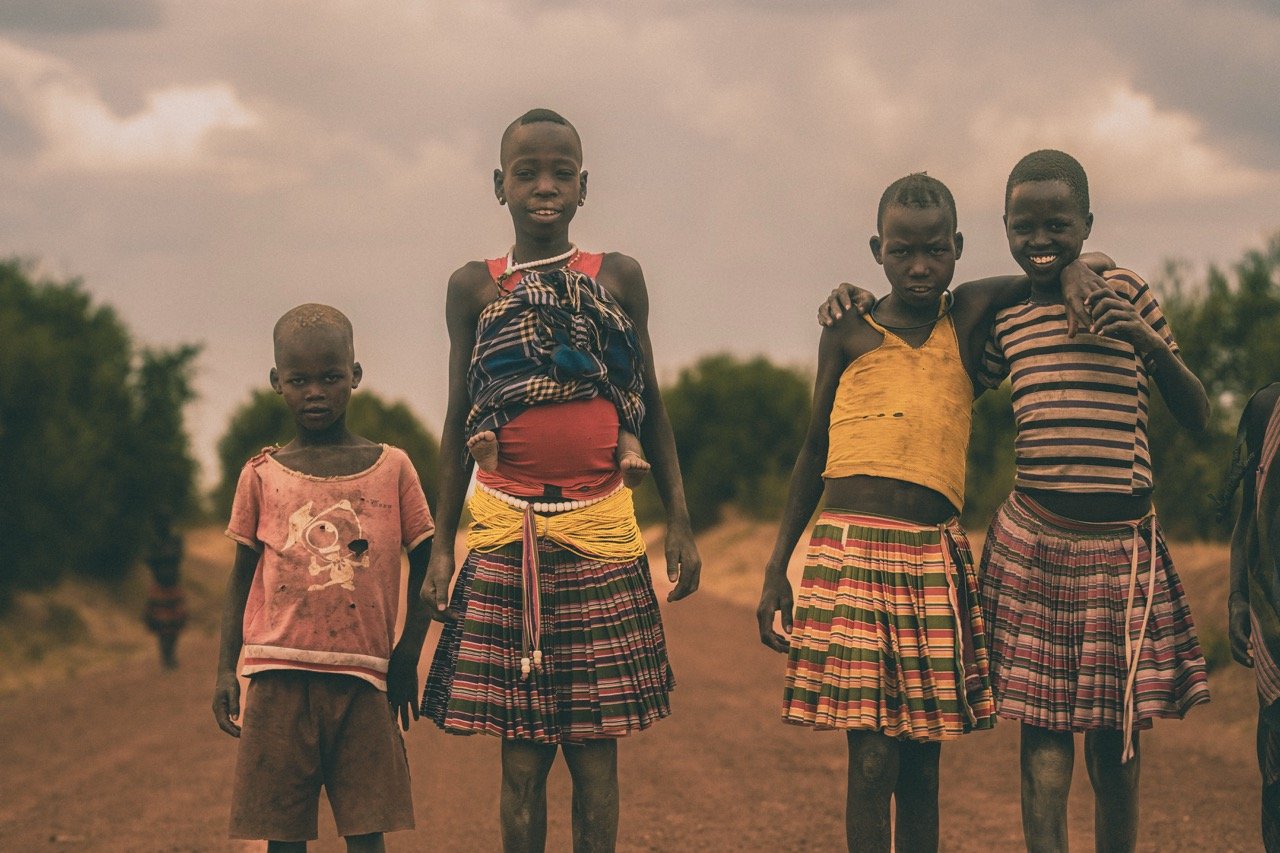
Because the riders were so far off the beaten path, they couldn’t rely on finding businesses used to serving tourists. ‘Uganda is relatively inexpensive, so we chose the best accommodation available. On average, it cost about €25 per person with breakfast. The cheapest was €10 for a single room, the most expensive €240 for a twin room inside a national park.
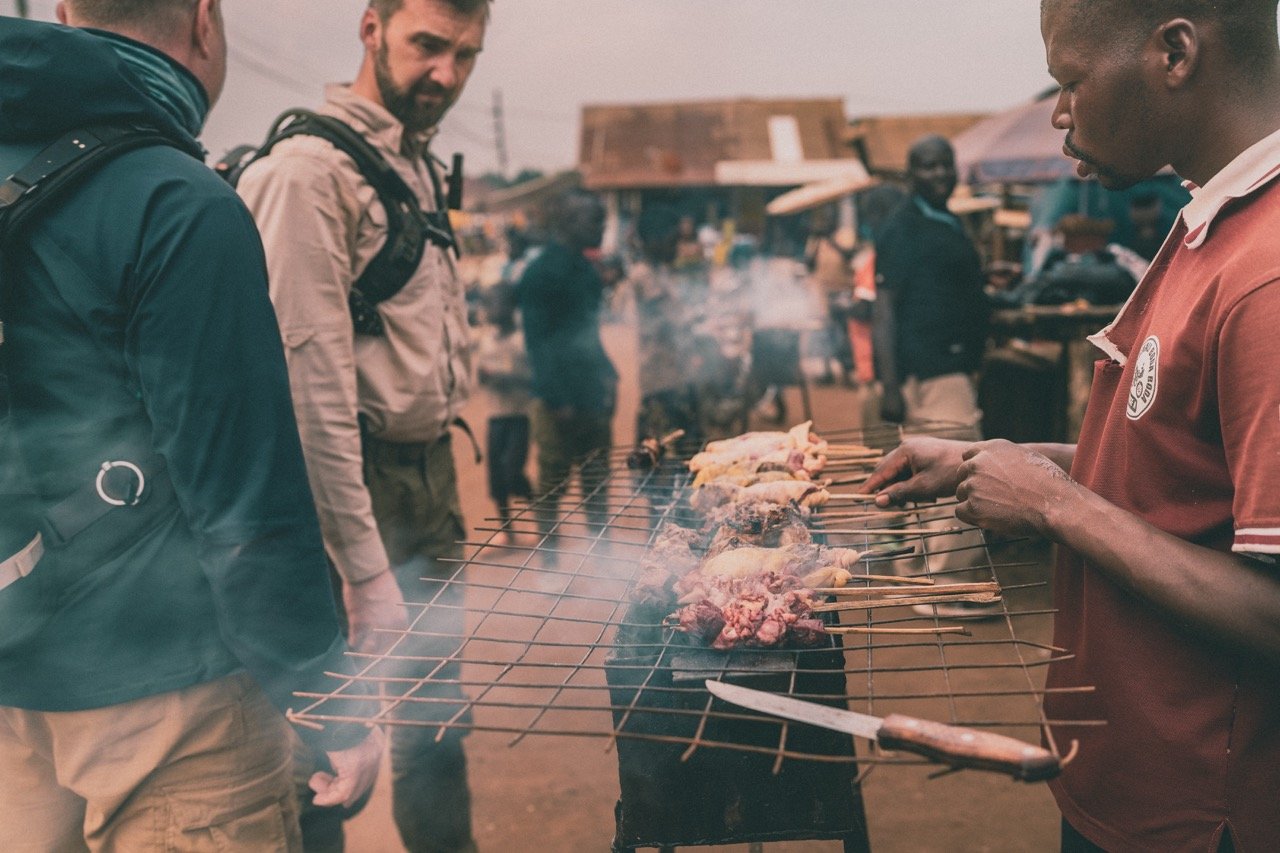
‘Breakfast and dinner were usually at hotels or hostels. Lunch was harder. There are almost no visible cafes. Locals would guide us to small places you’d never identify as restaurants, just two or three tables, no menu. You eat whatever they bring: fried chicken, goat, or boiled beef, with maize porridge, plantain mash, beans, or potatoes, some local fruit: oranges, mangoes, watermelon. Honestly, I expected worse. Compared to Pakistan or Algeria, food hygiene was not bad. Nobody got seriously sick, just minor issues for a couple of us.’
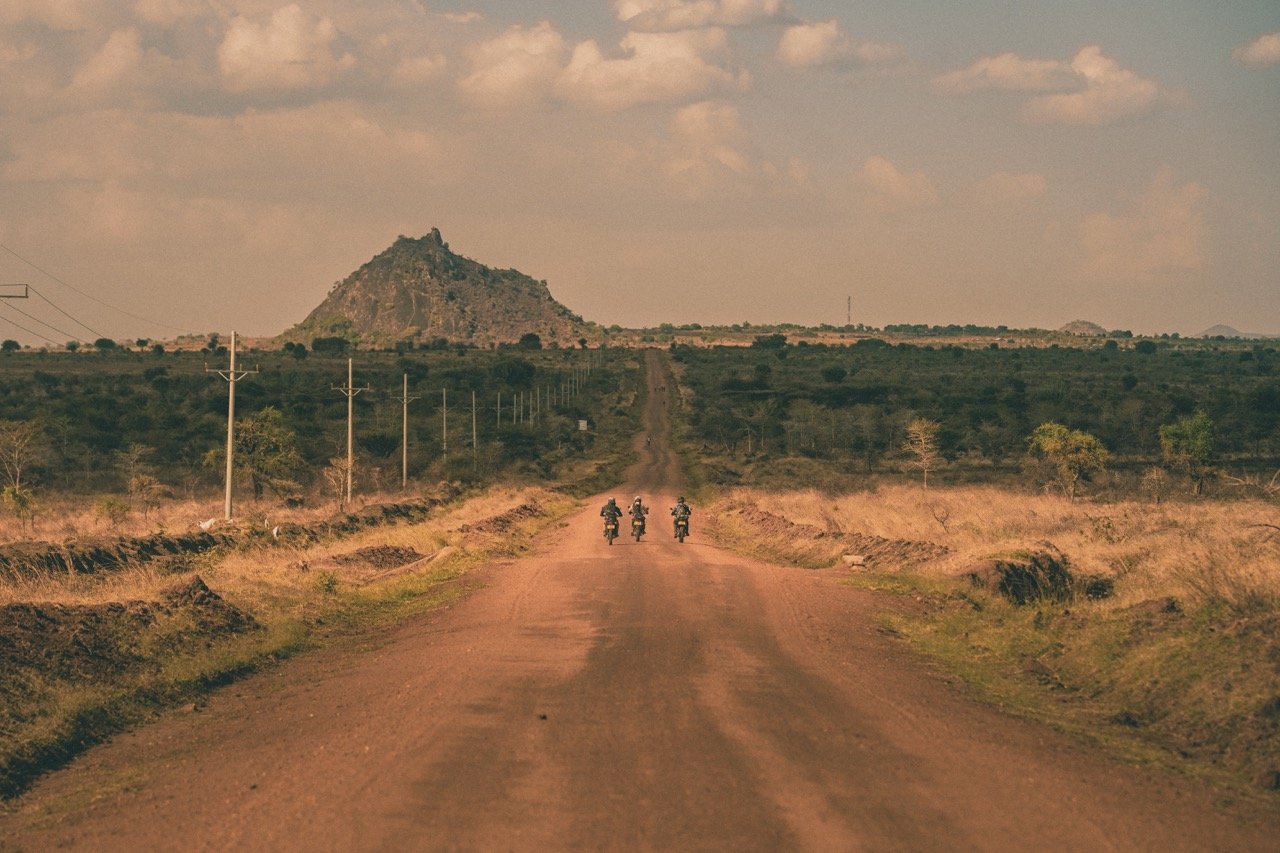
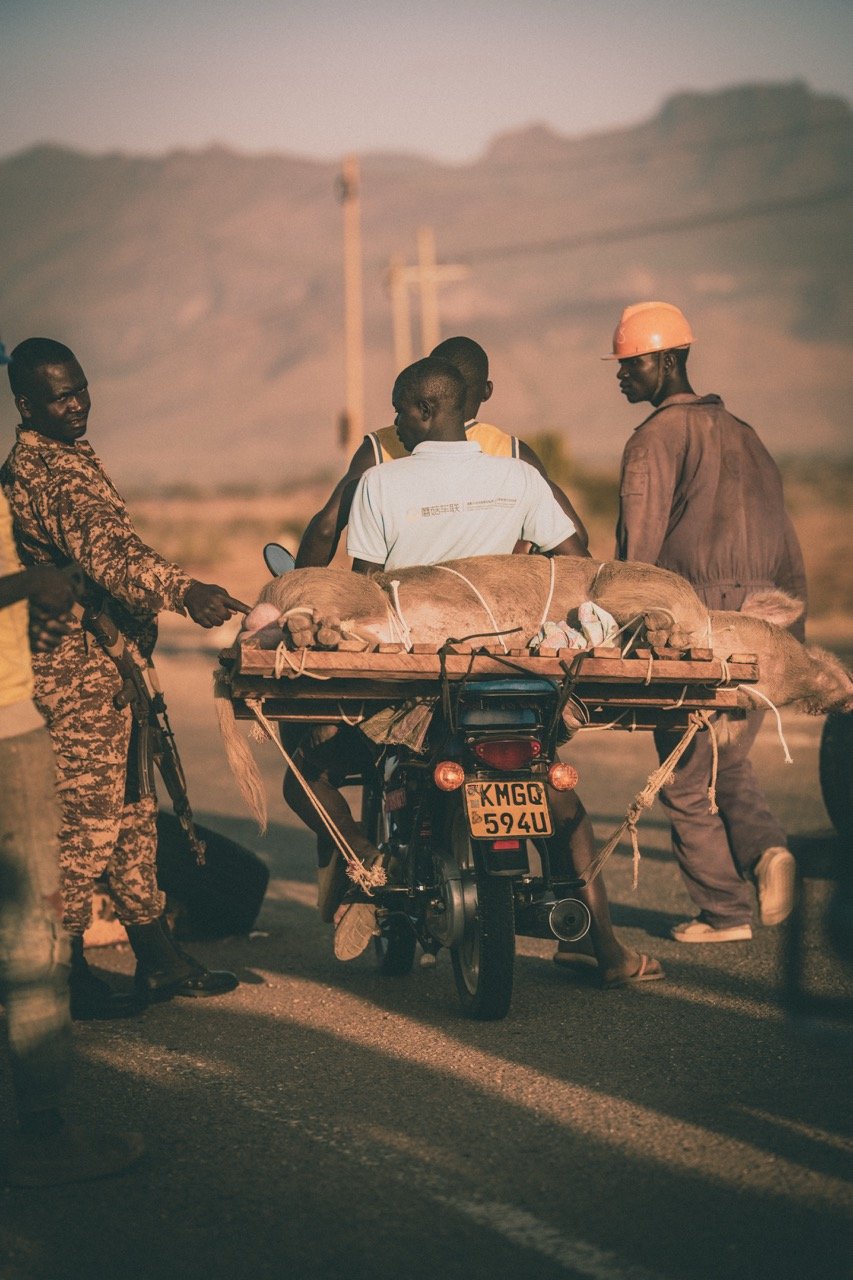
Even for an experienced traveller there were many eye-opening moments, ‘Traffic was a challenge. I like chaotic roads, minimal rules, improvisation, but even for me Uganda pushed the limit. Trucks would overtake directly into oncoming traffic, flashing their lights at you to move. And ‘Move’ means leaving the asphalt entirely. The rule is simple: the bigger vehicle has priority.’
Still, Andrius ends by saying ‘If you want to see real, unfiltered Africa in relatively safe conditions, go.’
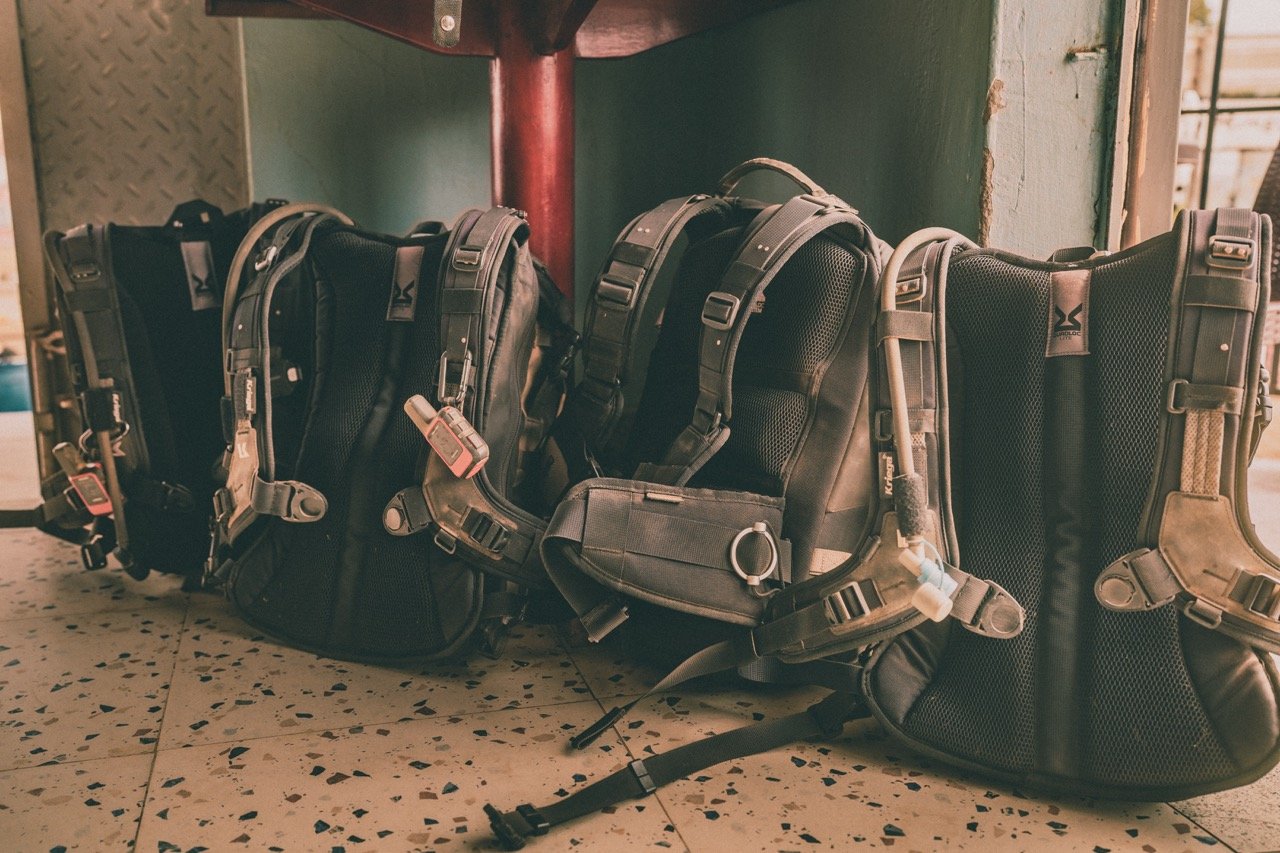
Andrius and his friends all travelled with Kriega backpacks (TRAIL18 and R30), plus US-Drypacks.
To buy, order directly from kriega.com or head to your local dealer for a closer look
Kriega UK dealer network
Kriega Worldwide importers
Follow Andrius’s many adventure rides and evocative photography through his Instagram @adventuristai