
The man behind the AdvAnywhere website describes his adventure philosophy
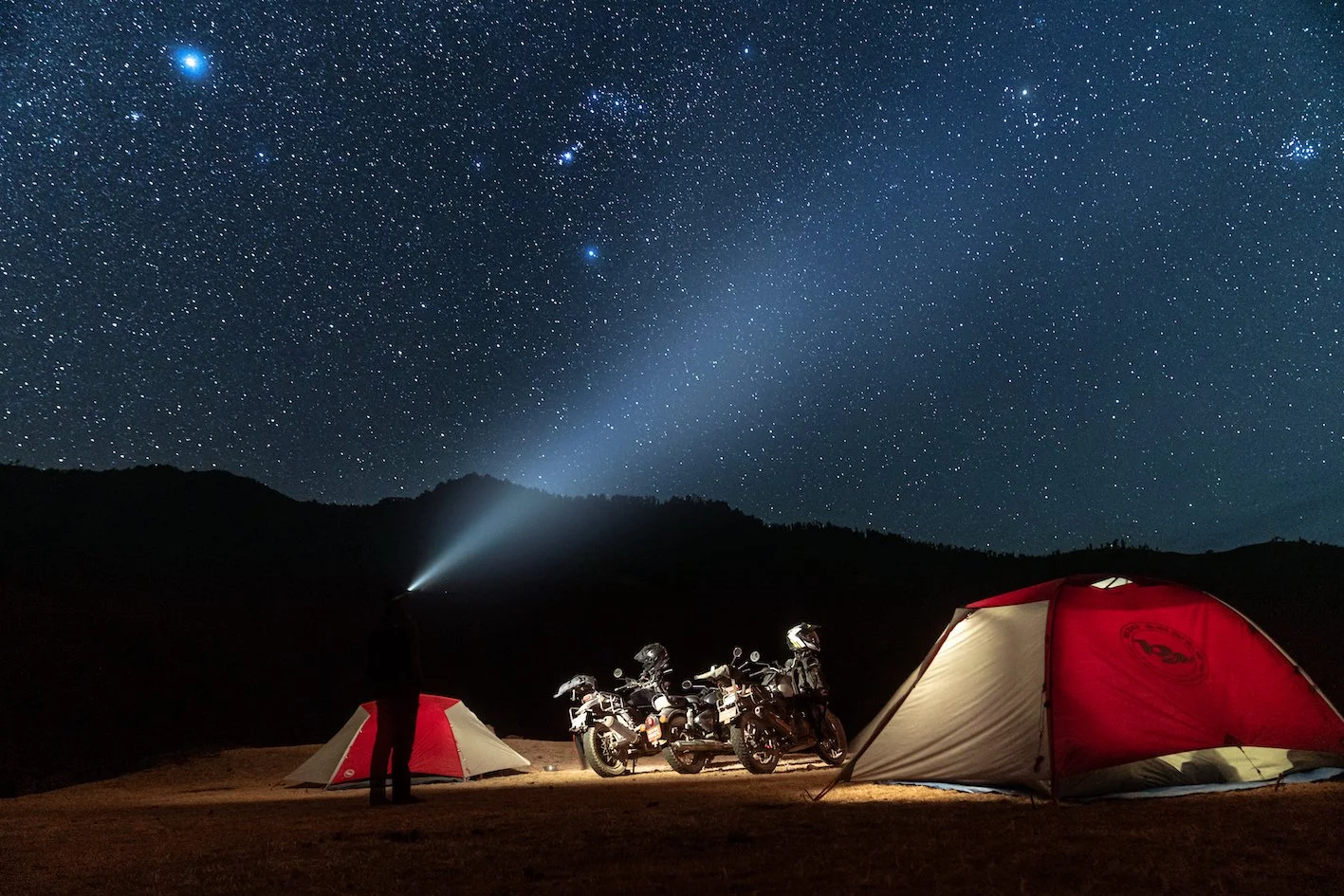
Kewin Krawczyk lives in southern Poland where he leads a team of 3D artists working in the realistic video game industry. [See some of his work on ArtStation]
More relevant to us at Kriega is the fact he runs AdvAnywhere, a blog where he writes about his expeditions, shares photography from remote places, and reviews products he trusts. He also occasionally posts videos on YouTube and share trips on Instagram, where we first saw his fantastic photography. Seeing his daily posts from a very recent Morocco trip made us request an interview with Kewin.
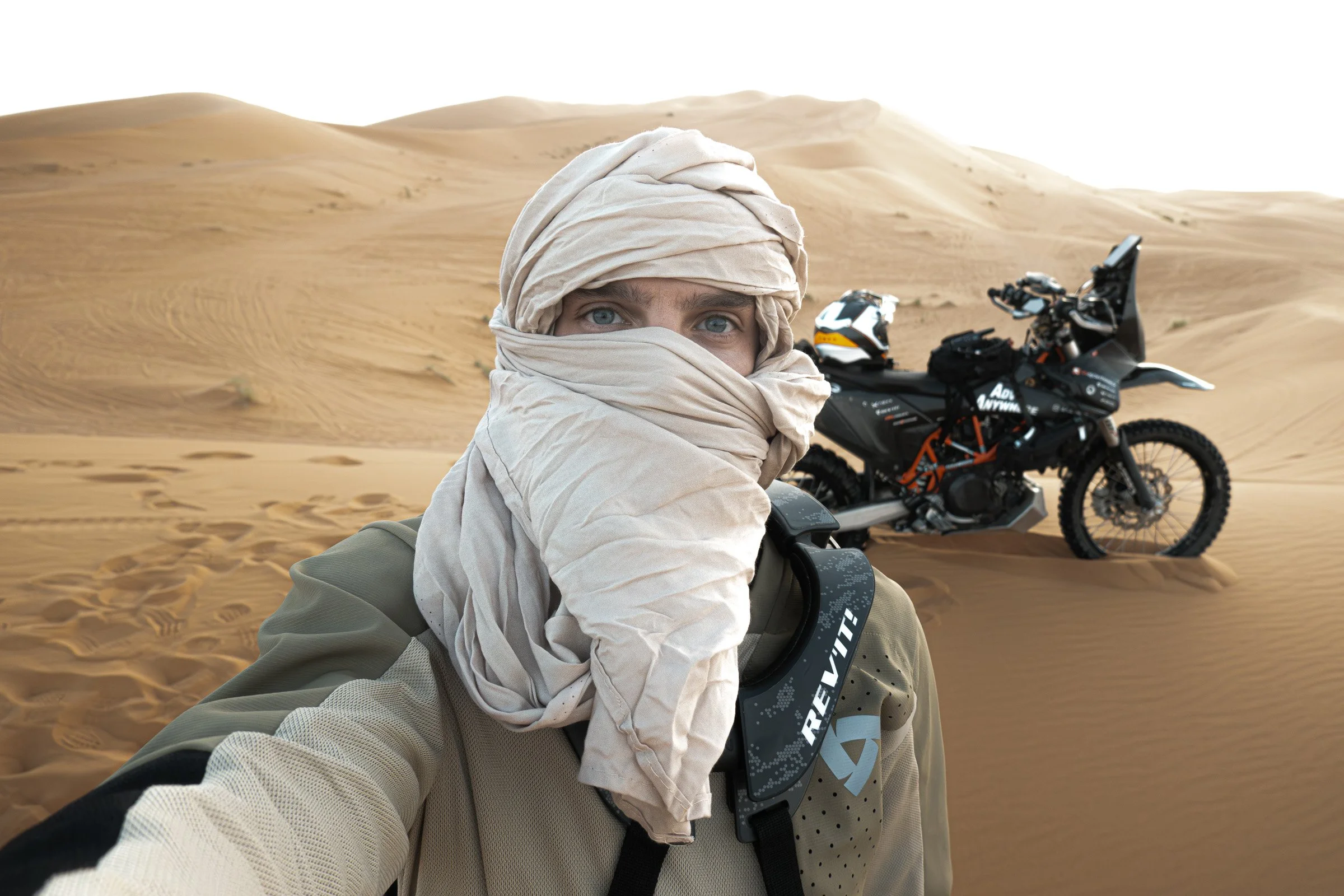
KRIEGA: Tell us how you got into motorcycles and when you started riding adventure bikes.
KEWIN: It all started with a Kawasaki Ninja 300 advert I saw online. For some reason, it hit me hard. From that moment, I fell in love with motorcycles and started saving obsessively until I could finally buy it. Kawasaki Ninja 300 was my first bike bought in 2014. Within a couple of years I bought a 2002 Yamaha R6 from a friend for a ridiculously low price. It was a great bike, but it also taught me something important. On a camping trip to Croatia, the riding position nearly destroyed me: wrists, back, neck, everything hurt.
Then, around the village of Premantura, we started riding over rocky tracks. Doing that on a sport bike made me realise the most beautiful places starts where the asphalt road ends, so I sold the R6 and bought a used Yamaha XT660Z in 2019. That was the real beginning of my ADV journey. Suddenly, places that had felt out of reach became accessible. Adventure bikes opened a completely new world for me.
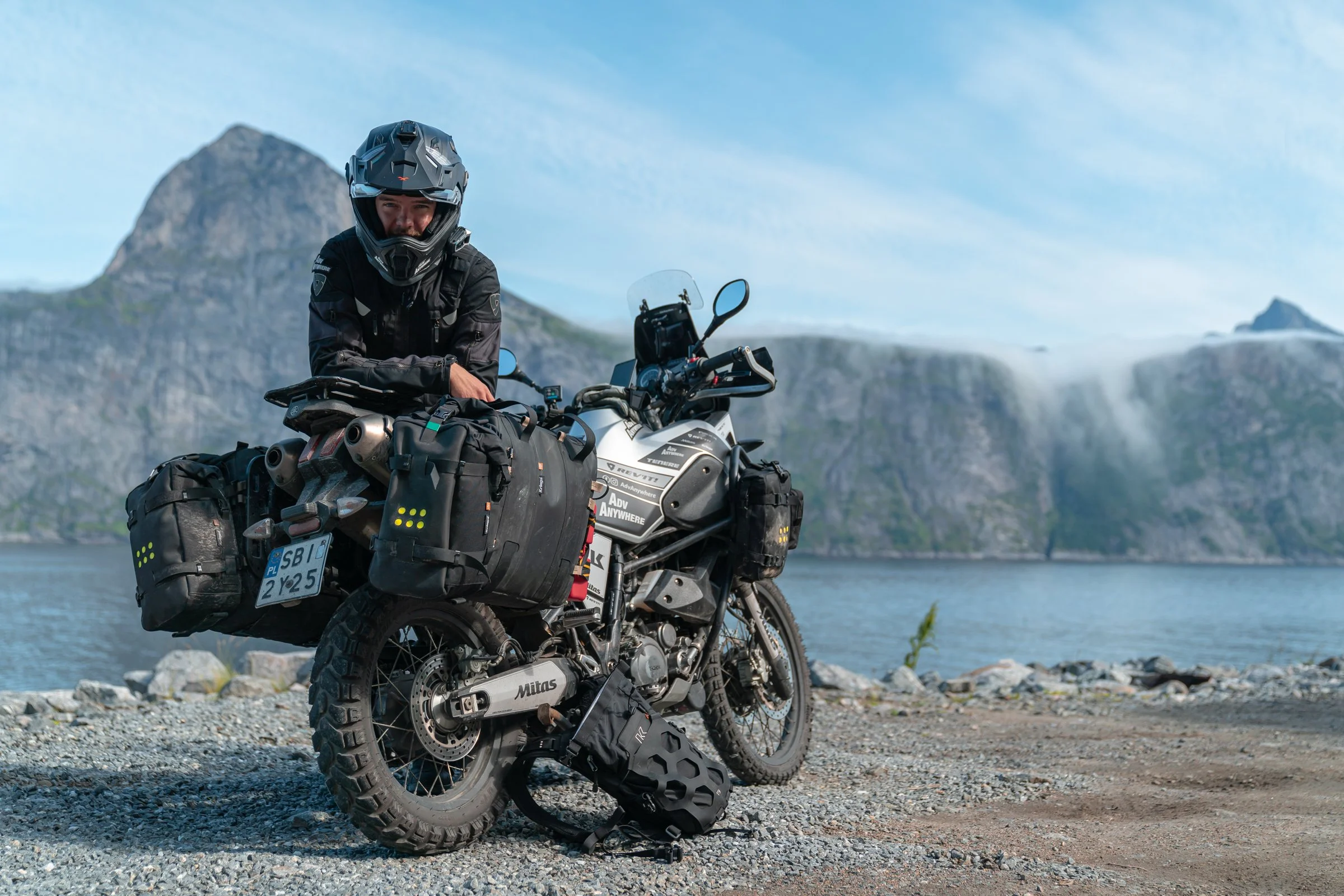
Which bikes do you currently own?
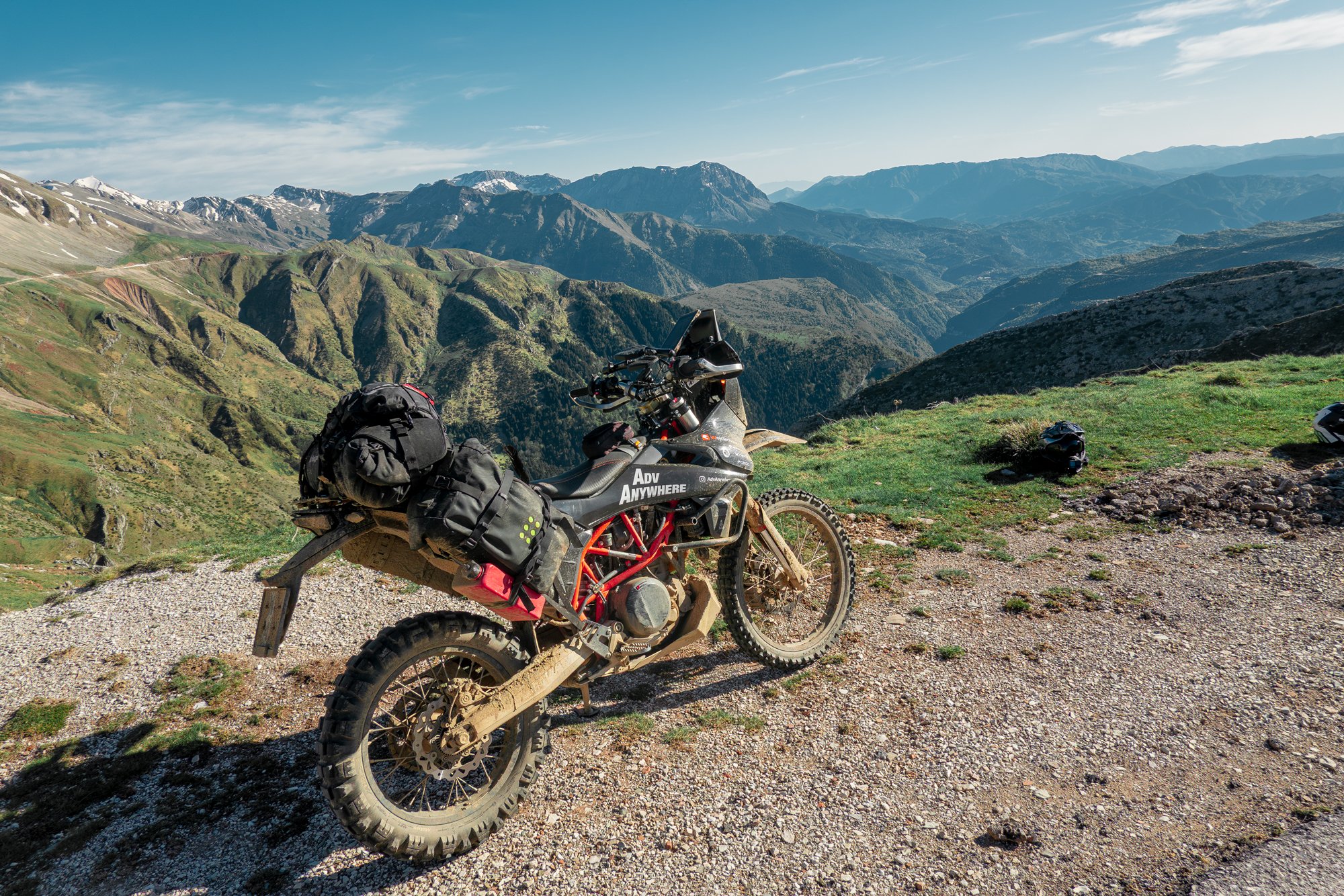
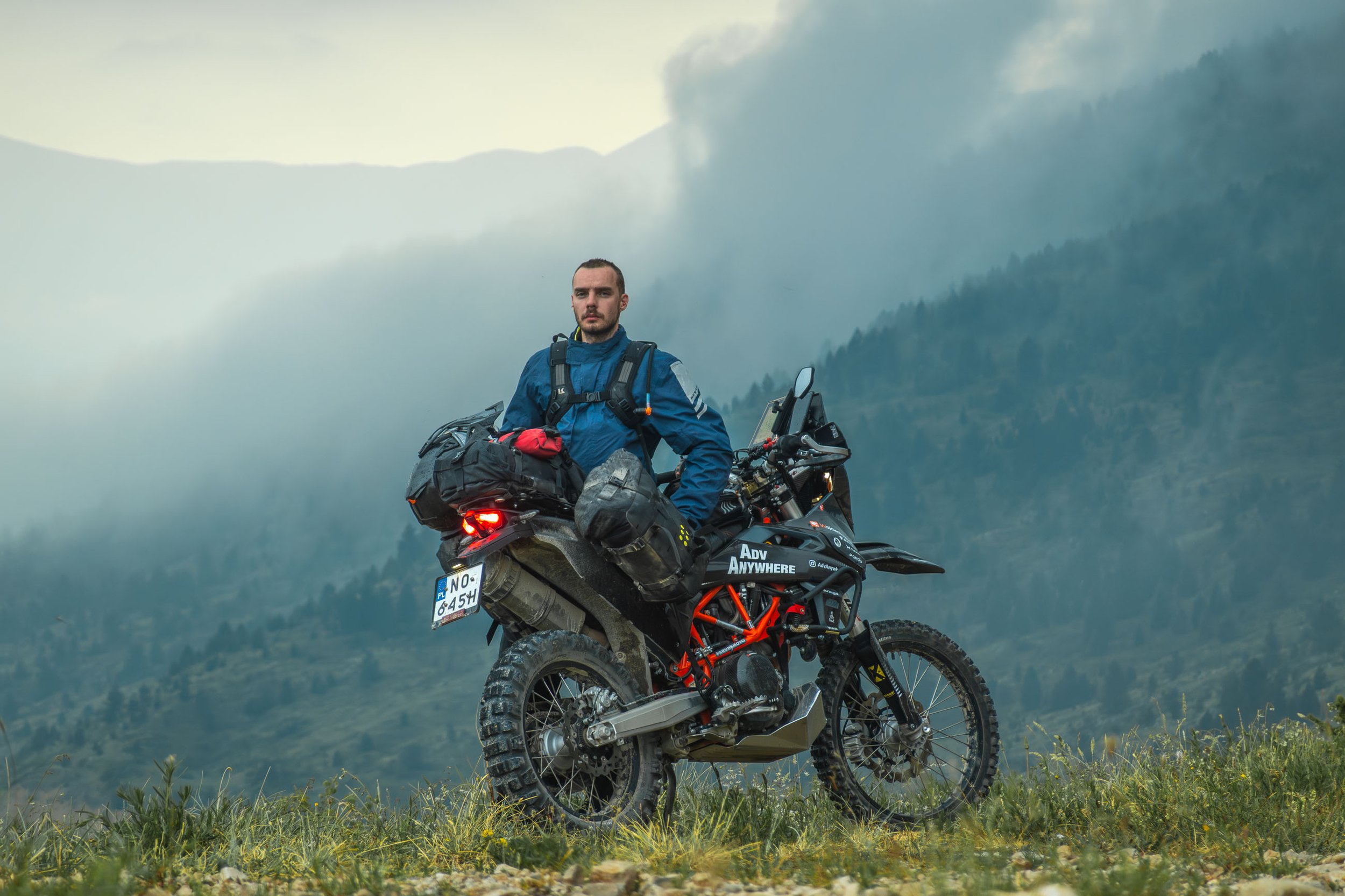
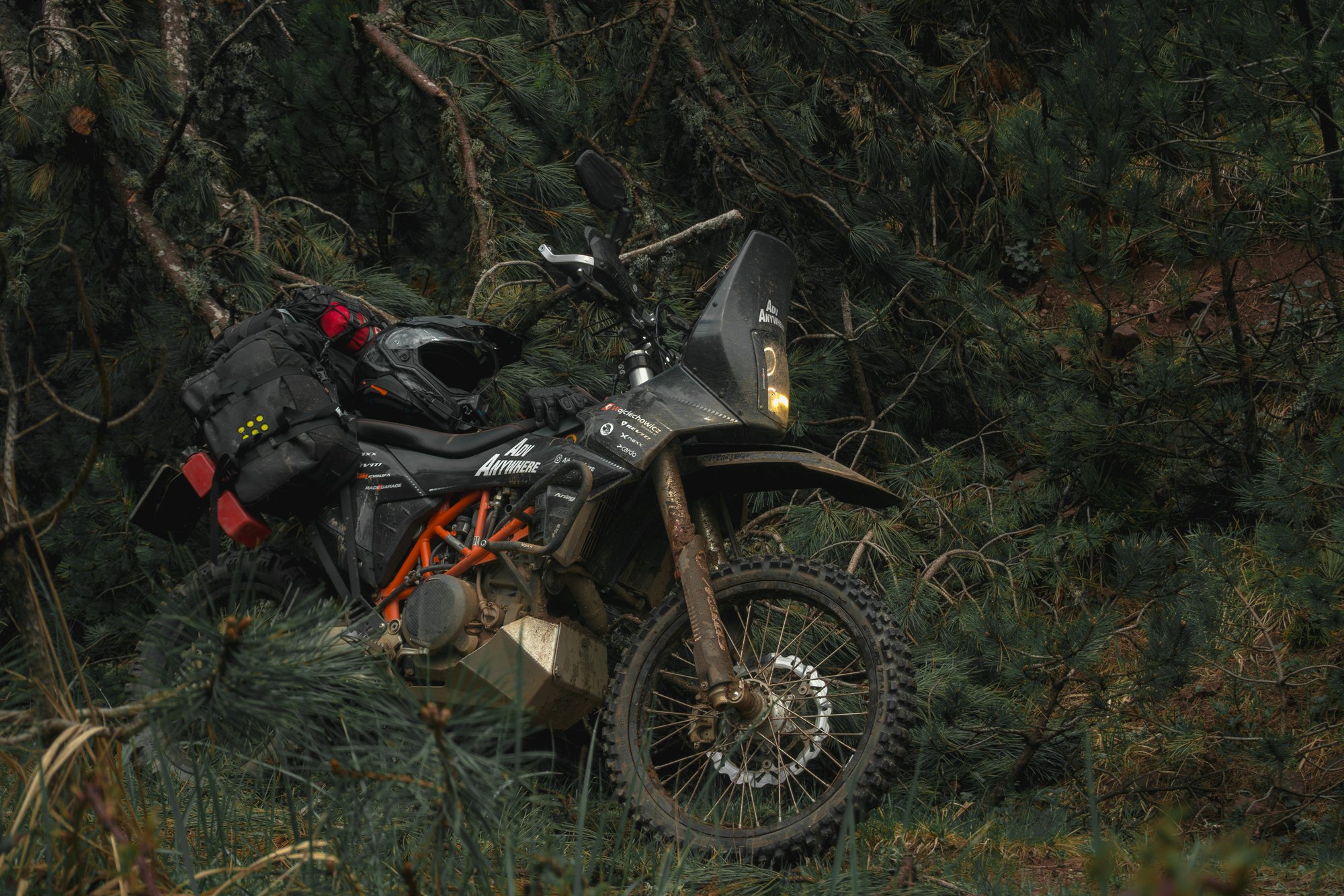
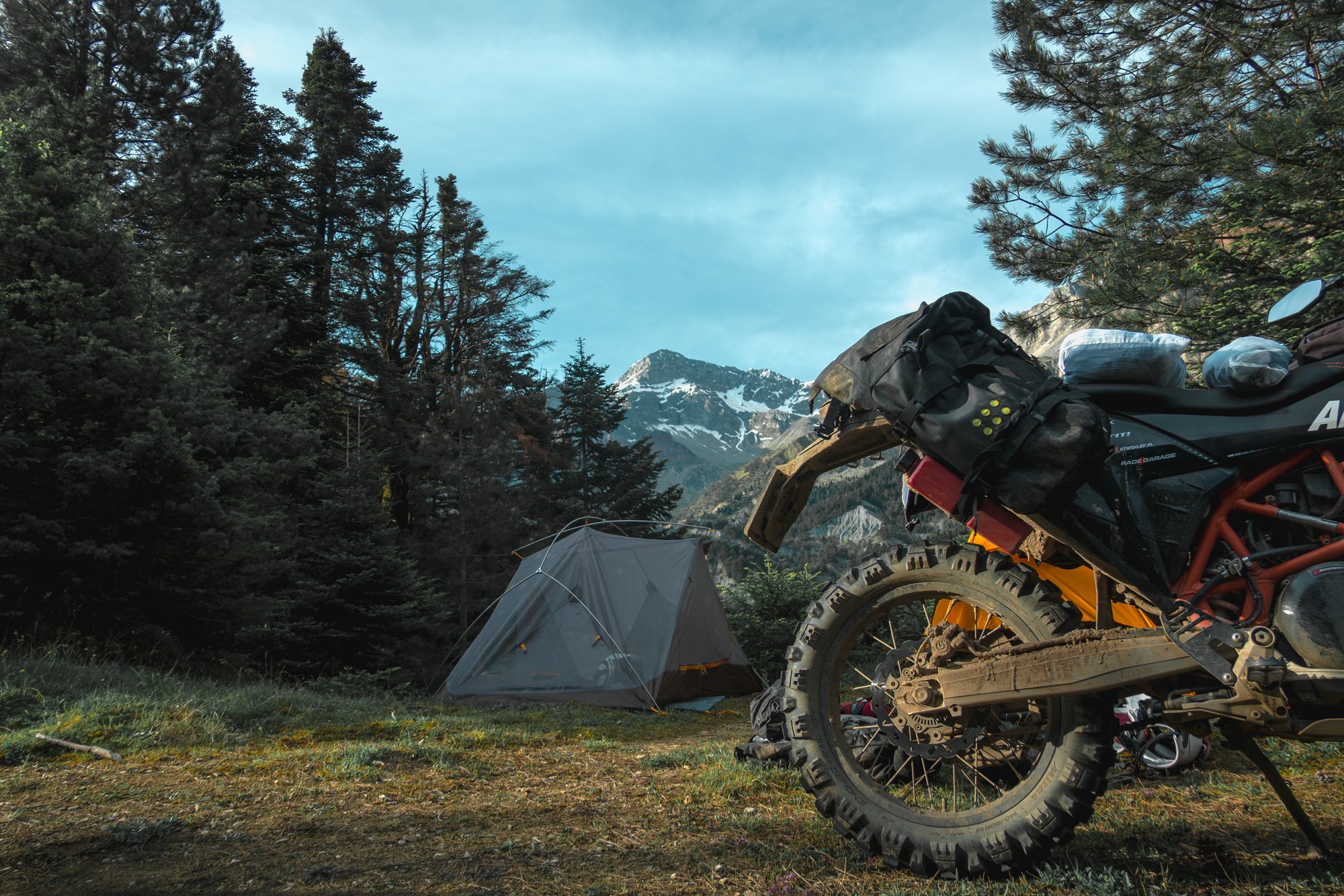
My newest motorcycle is a KTM 690 Enduro R, bought brand new in 2024. Right now it is the bike I ride and explore on the most. Its relatively low weight and strong engine let me go into more technical terrain than I could comfortably attempt before.
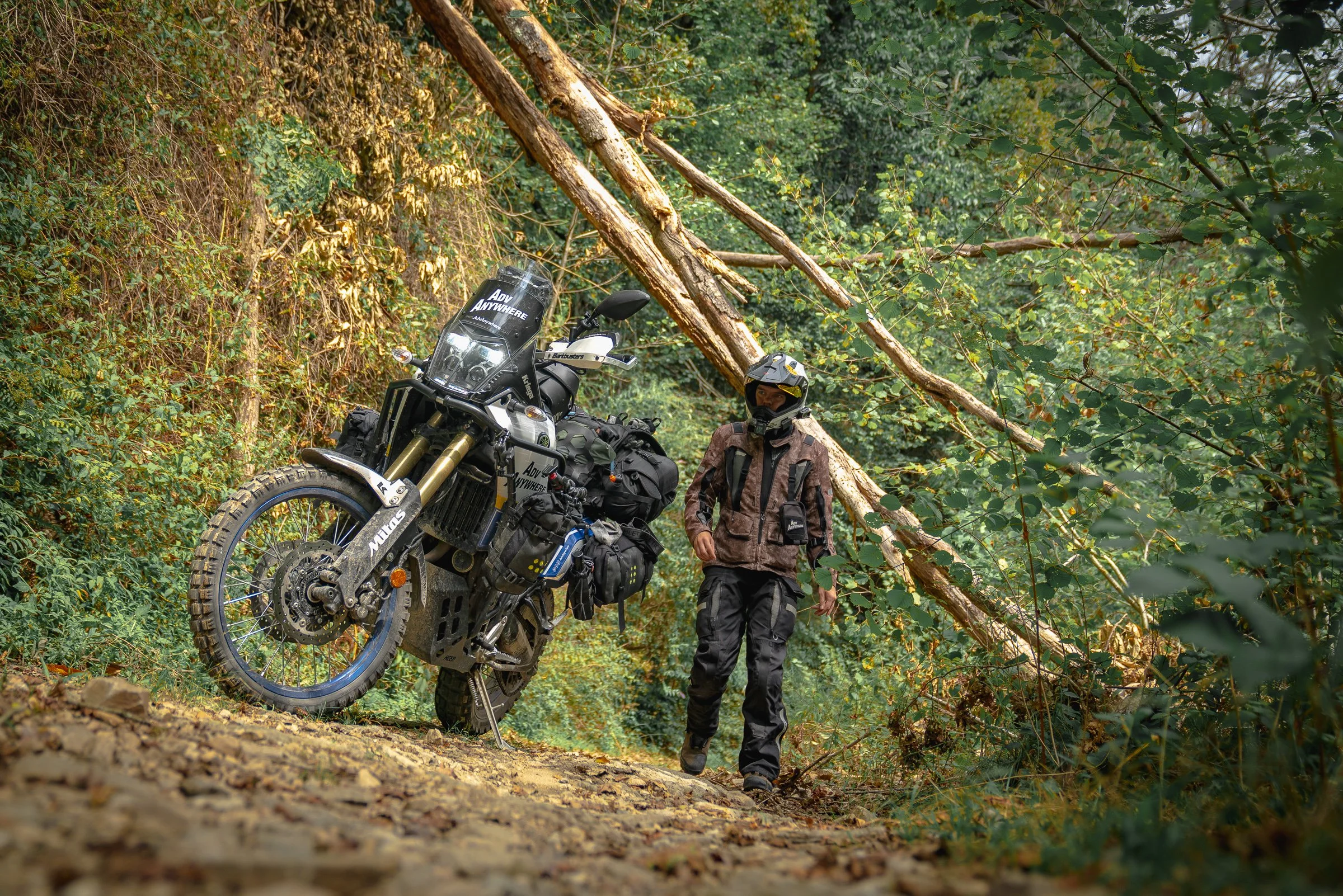
I also own a Yamaha Tenere 700, that I bought new in 2021. For less technical, long-distance routes, I will definitely keep coming back to it. In my opinion, the Tenere 700 is one of the most reliable adventure bikes on the market. If I were leaving tomorrow on a round-the-world trip, I would probably choose the Tenere.
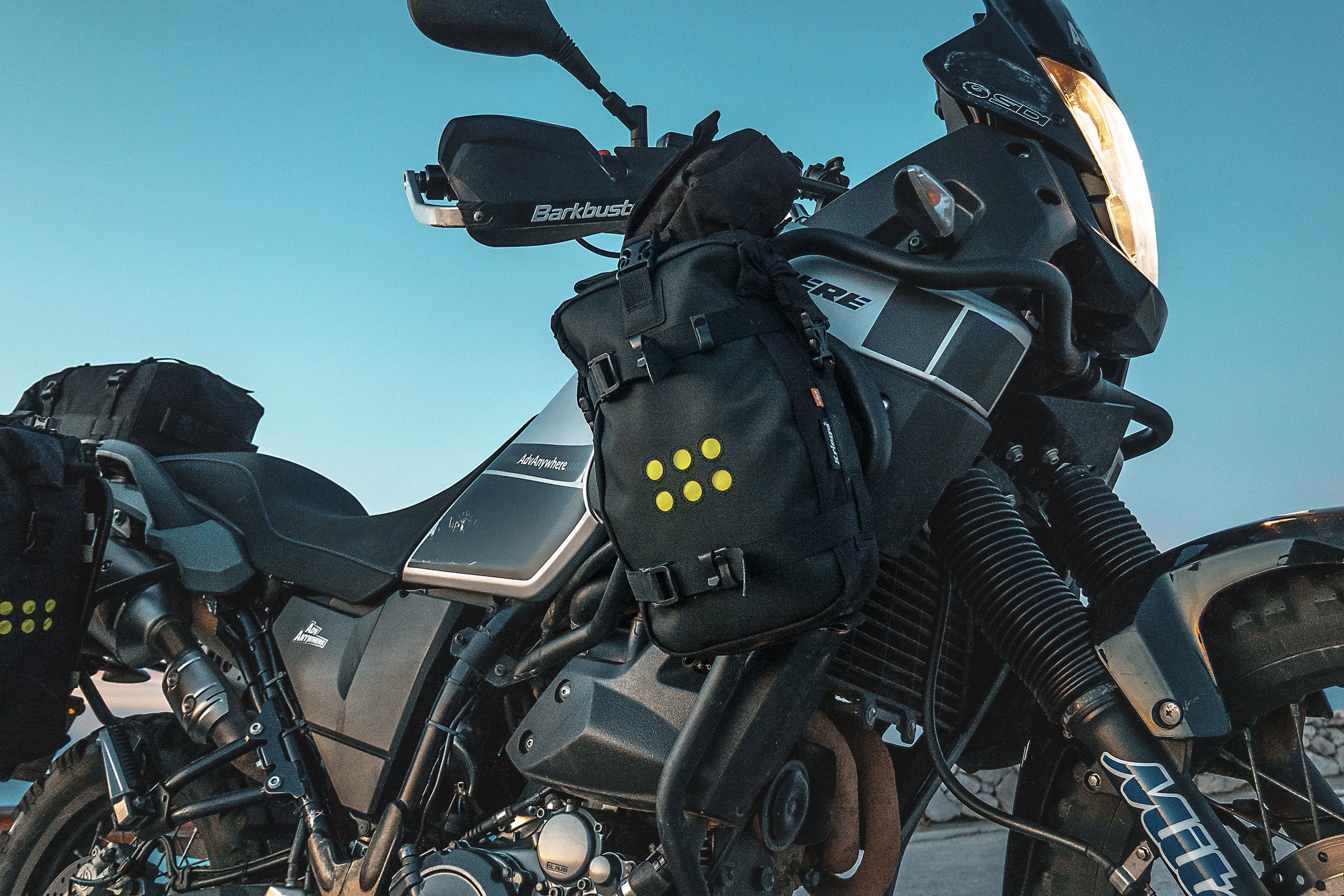
Both bikes are heavily modified for travel. My main priorities are protection, reliability, luggage compatibility, and keeping the setup practical in real off-road conditions. Both are prepared to work with the Kriega OS system too, and I have described the builds in detail on my blog so other riders can use them as a tested reference instead of starting their research from zero.
Please give us a quick list of the big rides you’ve been on.
Norway: 30 days riding around the country.
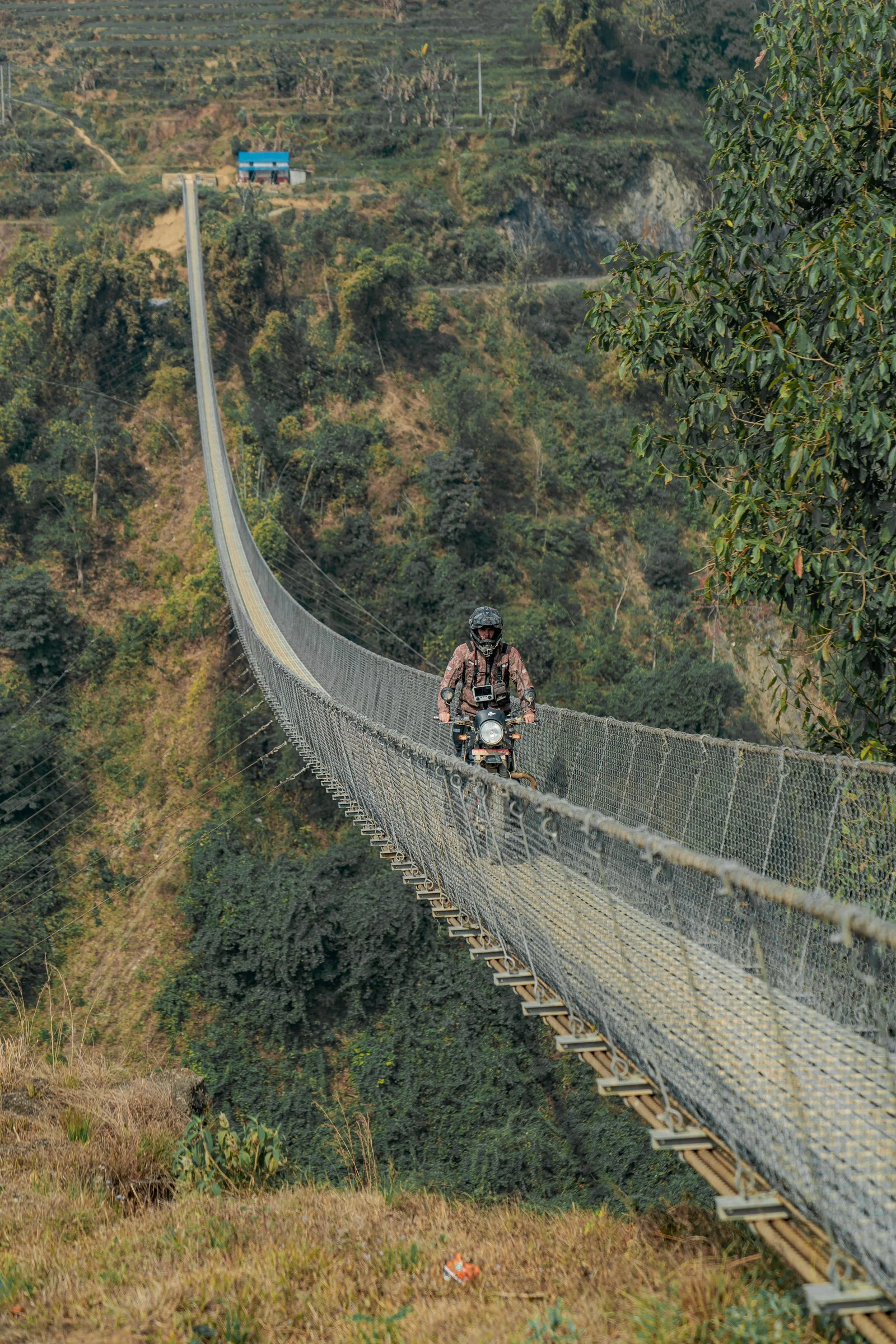
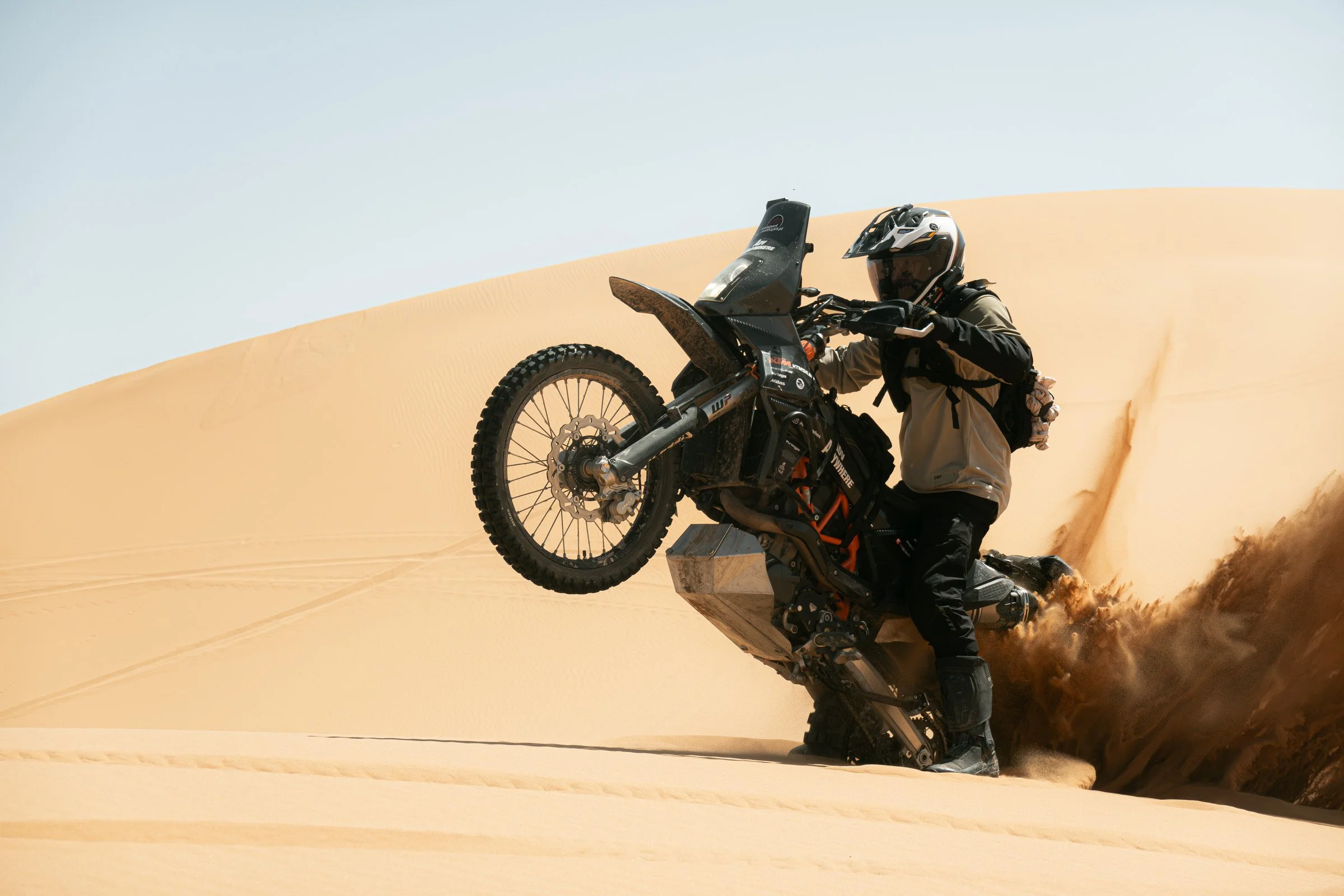
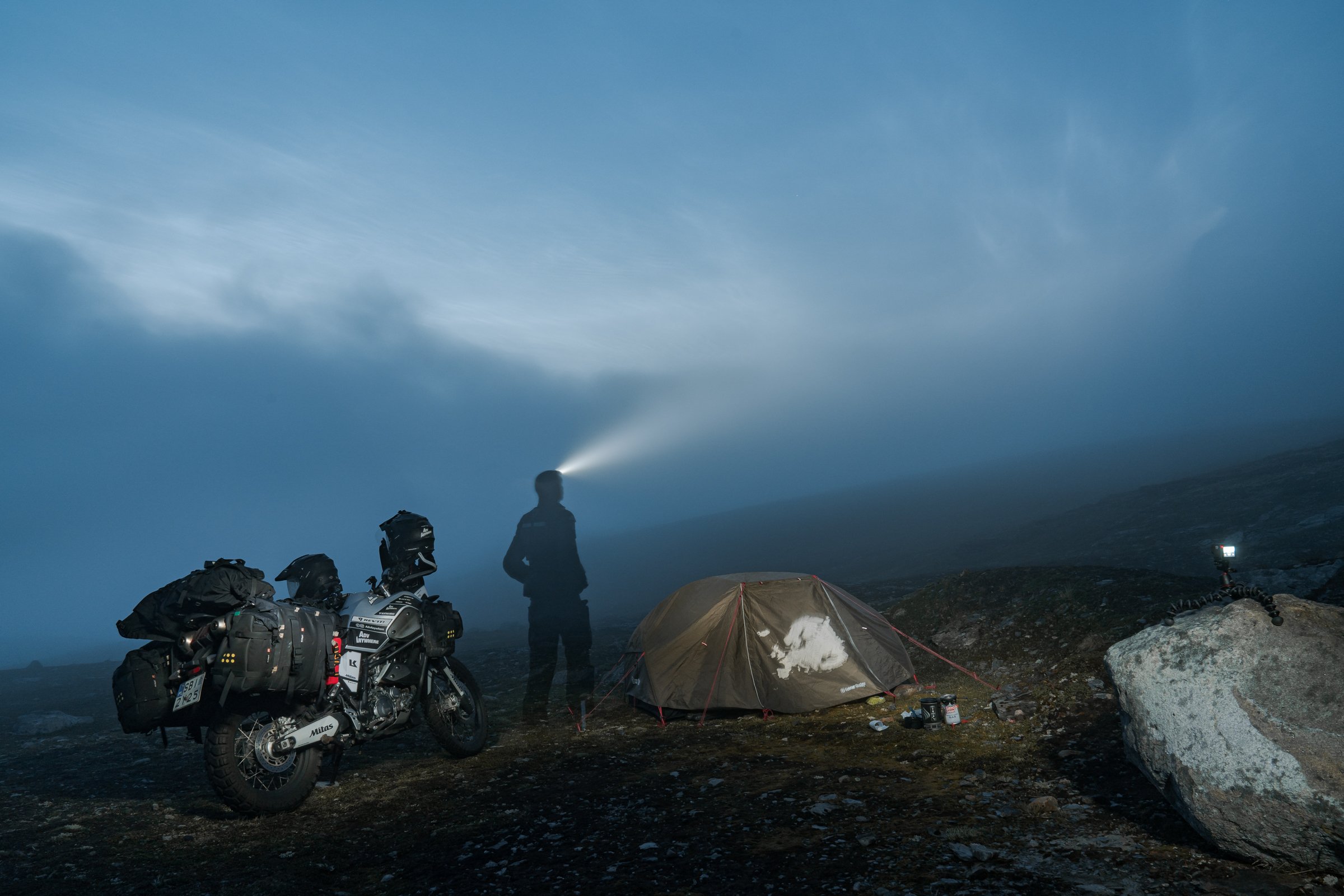
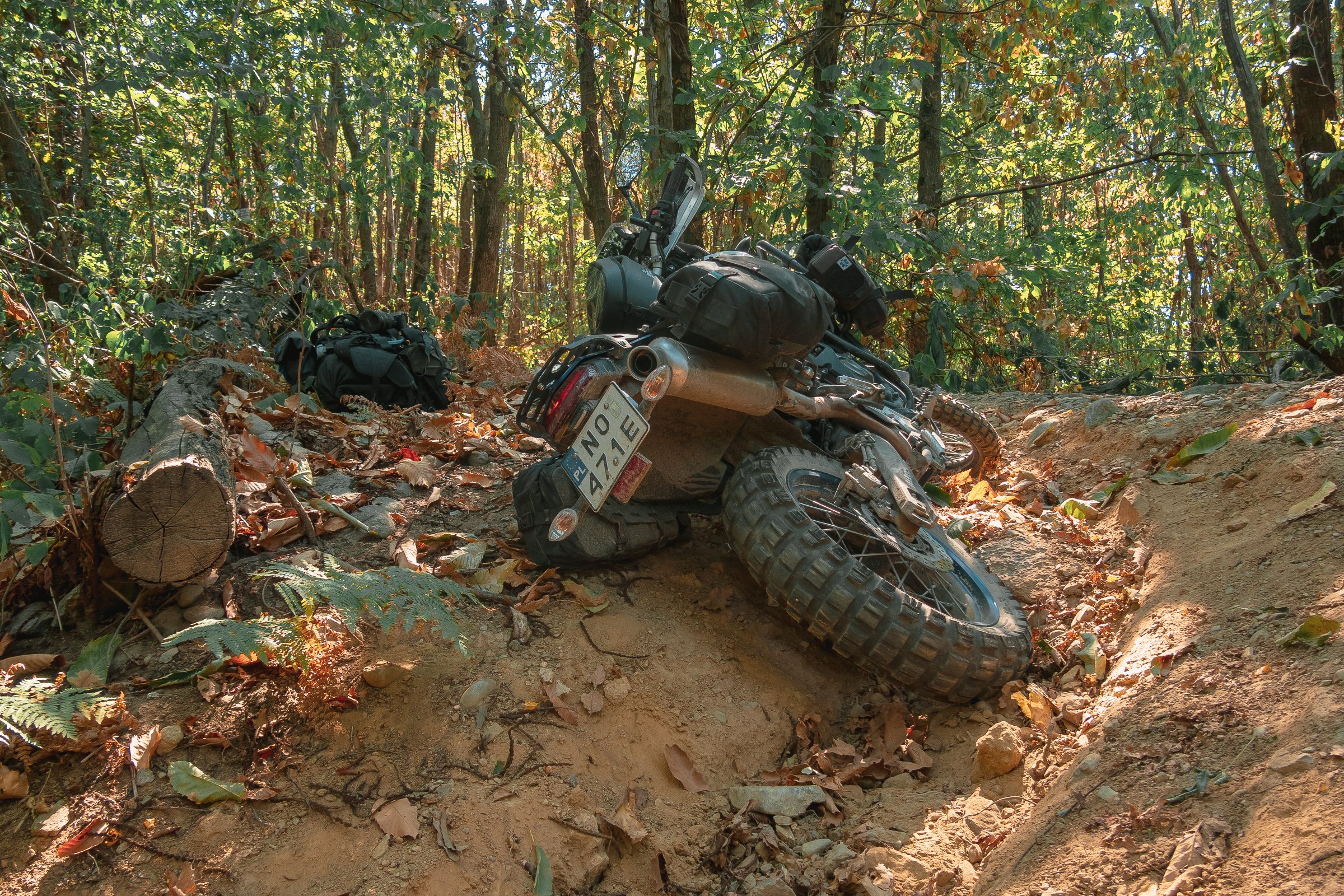
Nepal: an expedition through remote regions {pictured above].
Morocco: a solo ride to the dunes.
Trans Euro Trail: Poland, Hungary, Romania, Serbia, Greece, Bosnia and Herzegovina, Croatia, and Montenegro.
Which was the toughest ride?
It is hard to name one single ride as the toughest. I ride solo quite often, so I always try to keep a safe margin between adventure and unnecessary risk. Of course, from the outside, some people may still think I am crazy when the see how I ride, but perspective changes depending on where you are sitting.
So far, the terrain that truly defeated me was Erg Chigaga in Morocco. Several times, I had to stop at the very last moment before dune ridges that dropped away almost vertically. The sand was incredibly fine, and the bike sank into it like butter. I want to go back, better prepared, with more experience, and with more respect for that terrain.
Everything I have done so far feels like preparation.
You also have a Suzuki Jimny 4x4. Is it a hard choice to know which vehicle to take on the next adventure?
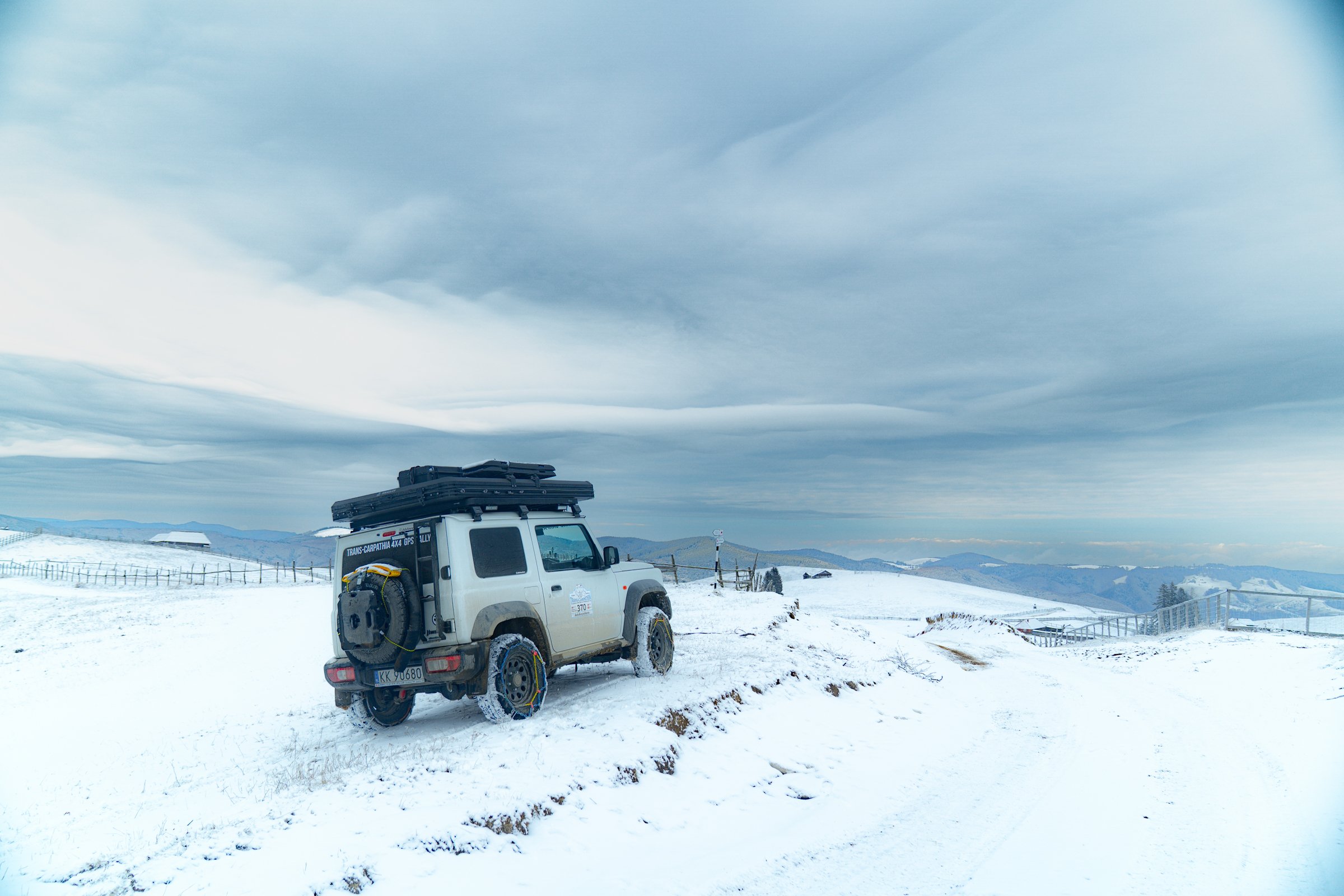
I love taking it on shorter trips where the goal is to slow down, camp somewhere beautiful, and enjoy a different rhythm of travel.
It is also my daily car, so it is surprisingly versatile. The Jimny is small, which means packing for a longer trip can be a challenge, but that is part of the adventure. I also use my Kriega OS bags to organise the luggage space inside. Two OS-32 Soft Panniers work especially well because they can swallow a serious amount of gear. I also often strap smaller OS-12 packs to the interior ceiling shelf, which keeps clothes stored overhead and frees up valuable floor space.
I have used the Jimny on winter 4x4 rallies in Romania, where I spent more than a week exploring remote areas, and also on an eight-day summer 4x4 rally through several Balkan countries. With a rooftop tent, I have already travelled through a good part of southern Europe.
The car is prepared for multi-day overland trips with a dual-battery system, fridge, 360-degree lighting, winch, and other upgrades. It is a great way to travel, especially with another person. But motorcycles and off-road riding are still closest to my heart. When the choice is fully mine, I choose the motorcycle.
The photography from your trips is superb. Can you tell us about your equipment and how you learnt the skills?
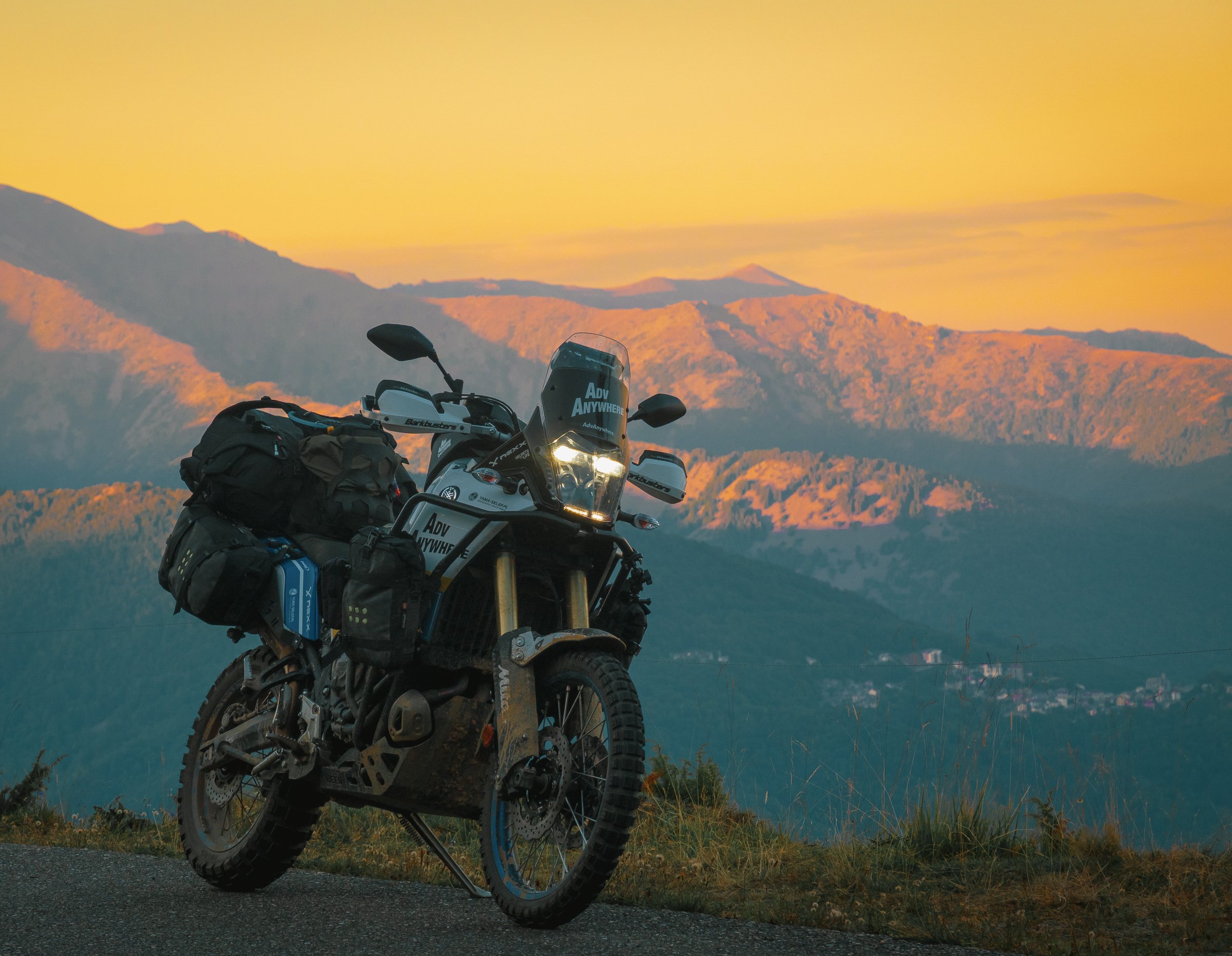
Some people call it talent, others call it craft. I am not sure which one it is. I try not to overthink photography too much. I look at the beauty of the natural world, and when I feel something, I take a photo. Sometimes there is also a motorcycle, a car, or some other well-designed machine in the frame, and that combination of nature and engineering is something I really enjoy.
I mostly use Sony cameras. I like the way they render an image; to me, it feels close to what the human eye sees. My main cameras are a full-frame Sony A7C and an old, heavily used and damaged RX100VII.
Graphic design and photography have always given me a lot of satisfaction, but I approach them differently. In 3D art and design, I constantly study, analyse, and refine the craft. With photography, I try to do the opposite. I want to feel the image more than design it.
Tell us about the latest ride to Morocco?
Morocco was my first trip to Africa. I only touched a small part of the continent, but I already know I want to return as soon as possible.
I rode about 3000km [1860 miles], completely solo. But solo does not always mean lonely. In fact, when you travel alone, it is often easier to meet people. Situations happen naturally, conversations start more easily, and some connections stay with you for years.
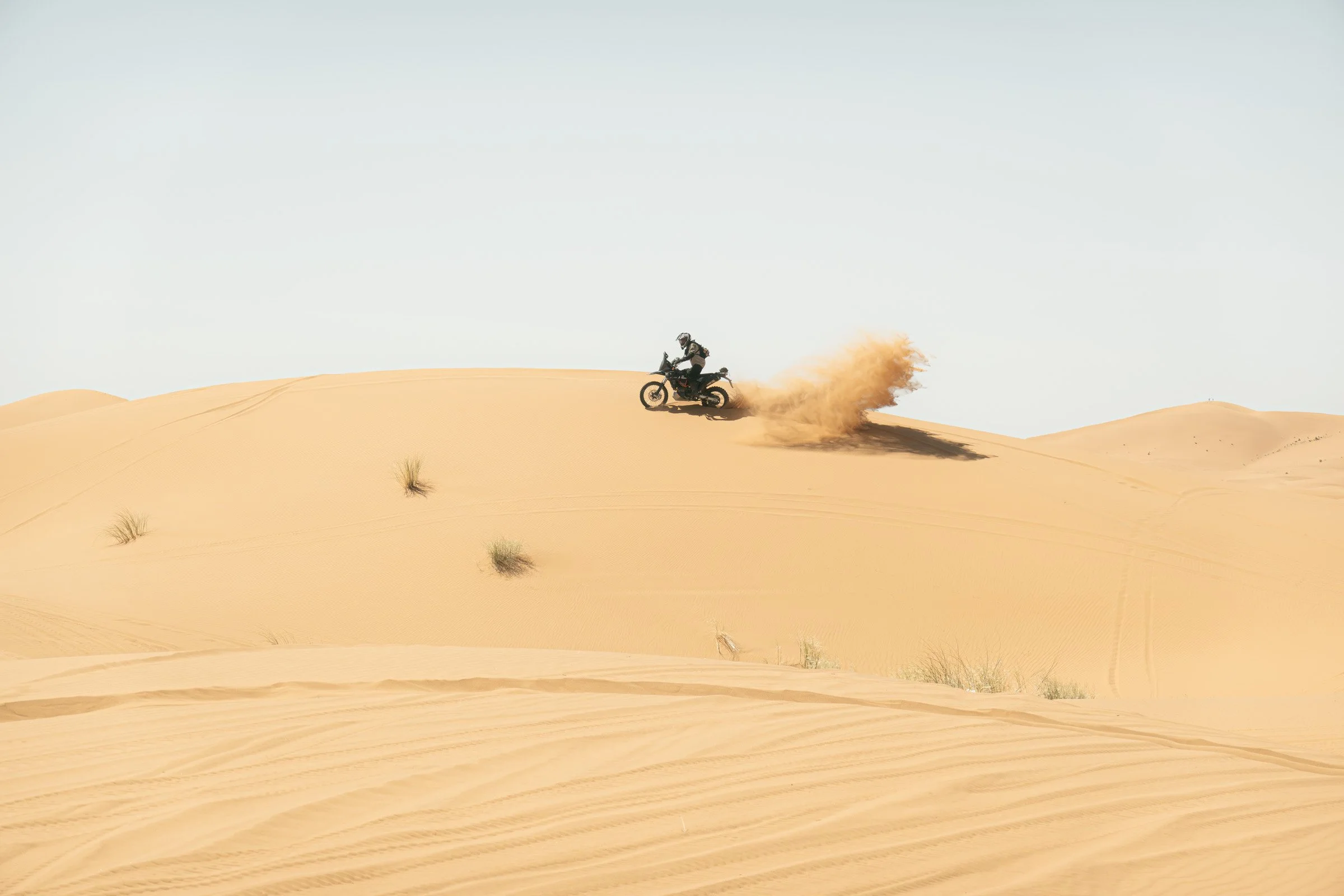
Riding sand dunes had been a dream of mine since I first got into motorcycles. In Morocco, I finally made that dream real — and it happened on my birthday! My first major goal was Erg Chebbi [a large area of dunes popular with adventure riders]. For years, I felt those dunes calling me. I spent a few days there learning, playing, failing, and slowly understanding how to ride in that kind of sand. It was my first real contact with dune riding. It taught me that some things can only be learned by doing. No course can fully prepare you for that feeling.
By the second day, I was starting to flow across the dunes like a surfer. I even came close to reaching the top of the highest dune, which is around 150m tall.
After that, I set off on the hardest route of my life: a two-day ride from Merzouga to Zagora through remote desert areas with no phone signal, no shops, and no fuel stations. It was not the most technical riding, but mentally, logistically, and navigationally, it was very demanding. Out there, even a small mistake can become serious.
I carried a large amount of water, which disappeared quickly under the Saharan sun, plus extra fuel in addition to the auxiliary tank on the bike. The first sections through infamous fech fech [powdery sand] were tiring, but later the ride became smoother. I reached Zagora safely and faster than expected.
The most difficult part of the trip was Erg Chigaga. The sand was completely different there – much finer – and the dunes had a more intimidating shape. A sandstorm also forced me out of the area sooner than planned. I do not feel finished with that place. I need to go back, better prepared.
What Kriega equipment did you use?
The foundation of my luggage setup was the OS-BASE with two OS-18 bags attached. Inside, I organised everything into smaller pouches by category: cooking tools, an AeroPress for coffee, emergency food, electronics, spare clothes, a tool roll, two spare tubes, tyre levers, an electric pump, and also a regular bicycle pump.
The heaviest and least-used items went deepest into the bags, which helped keep the weight low on the bike. Lighter things and items I wanted to access quickly were packed closer to the top.
For the tent, sleeping bag, and sleeping mat, I used my favourite US-40 Rackpack. These items are bulky but still relatively light, so the US-40 was perfect for them. The tent poles also helped stiffen the whole bag. I compressed everything down to around 20 litres, which left a large unused buffer, useful for storing a jacket or carrying extra bottles of water when heading into remote areas.
On top of the US-40, I mounted an OS-6. At first, I used it for snacks. Later in the trip, it became a souvenir bag for friends and family.
I also used the TRAIL9 backpack. I normally do not like riding with a backpack, but the Quadloc-Lite harness distributes the weight so well that I often forgot I was wearing it.
The waterproof pocket carried my documents, camera, and small electronics that I needed close at hand. The main compartment carried my hydration bladder, snacks, and electrolytes. I also attached Trail Pockets to the backpack’s harness, which was useful because my riding gear did not have enough pockets.
Why do you choose Kriega?
There are many luggage brands now, and many of them offer interesting solutions. I keep choosing Kriega for a few simple reasons, but the most important one is trust.
When I ride off-road, my head is already full. I need to think about navigation, fuel, water, weather, fatigue, safety, and what the terrain is doing in front of me. I do not want to waste mental energy on broken straps, torn material, loose mounts, or luggage that lets dust and water inside.
I often ride with other travellers, and I see how much time and energy people lose fixing luggage systems in the field. Temporary repairs, loose straps, damaged bags — I have no patience for that. I would rather focus on the ride.
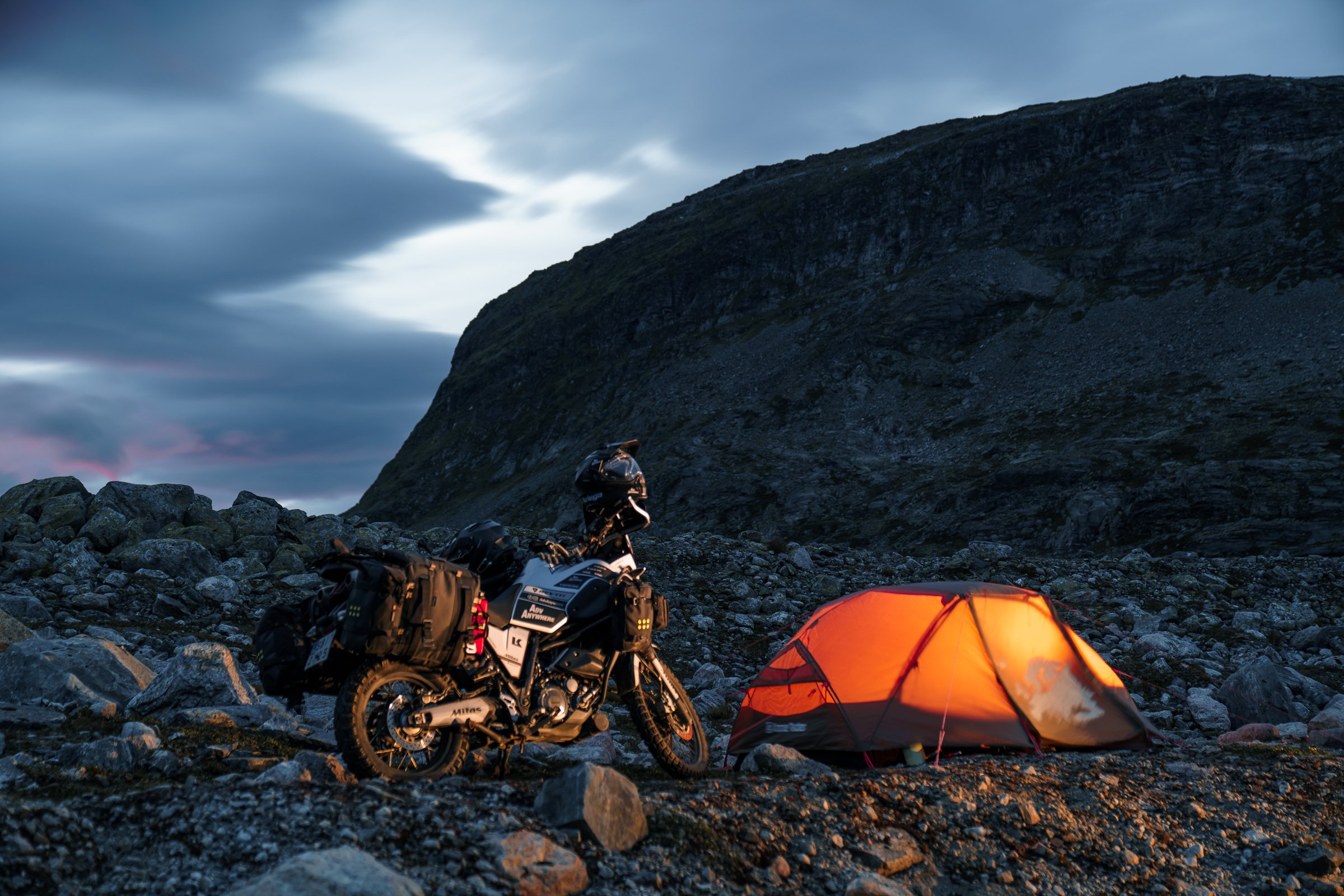
The modularity of the Kriega OS system is also a big reason. I can adapt the same set of bags to different trips and different bikes. If I am camping, riding technical terrain, sleeping in a tent or a hammock, I can quickly choose the right setup. I usually try to pack the bags only about two-thirds full, so I always have space for food, water, or unexpected items.
On longer trips, I might arrive at a campsite fully loaded, leave most of the luggage there, and then mount a smaller OS-12 or OS-6 for local exploration. A one-piece luggage system cannot give me that flexibility. I also do not need to rely on a heavy rack system. With prepared Subframe Loops, I can mount the OS bags in different ways depending on the motorcycle and the trip.
That is another big advantage: the same OS setup works on both my Yamaha Tenere 700 and KTM 690 Enduro R. I do not need completely separate, dedicated luggage systems for each bike.
My first Kriega bags have been with me for many years and still look excellent, even though I honestly do not take especially good care of them. I remember something my teacher once said during an entrepreneurship class at school: ‘I can’t afford cheap things.’ That sentence stayed with me. I see many riders buying cheaper bags marketed as innovative luggage systems. Then I see those bags fall apart in the field, and the same people have to buy new ones the next season. I respect anyone who can live with that amount of frustration, but I prefer to buy equipment I can rely on for years.
Anything else you’d like to add?
I would like to share one thought with people who have big dreams: break them down into small goals. Each small step moves you closer to something bigger. If you keep going, eventually it works.
Visit AdvAnywhere.com to read reports, reviews, tips and guides from a true enthusiast. There are links on the site to his other feeds.
To buy the luggage Kewin trusts you can order directly from kriega.com or head to your local dealer for a closer look
Kriega UK dealer network
Kriega Worldwide importers